
On Vancouver Island, farmers face unique challenges. Compared to elsewhere in Canada, our Island farms are small, and often have varied soils and topography, making large-scale industrial farming almost impossible.
Compounding this, our Island geography means that farmers must often absorb higher (and continually rising) costs of land, livestock, production, and freight. Four years ago, I could buy a 700-lb steer for $1.60/lb. This past spring, steers hit a high of $6/lb. at the auction houses. I was lucky to purchase steers for $4.50/lb. Will my customers pay double the price for beef? Unlikely. This makes it incredibly hard to turn a profit.
Issues like these have led to a decline in the number of farmers on the Island and the amount of food we produce. In the 1950s, 90 per cent of food consumed by Islanders was produced on the Island. Now, only 10 per cent is.
What’s more, nearly 70 per cent of Island farmers are over age 55. At 43, I’m often the youngest person in the room.
Another challenge is a disconnect among the three main legislative bodies that govern farming in BC. This makes it tough for farmers to plan and invest in new initiatives, because they don’t know how policies, laws, and rules may shift, or how to interpret the current policies and legislation. It’s time for change.
A precedent already exists
We only need to look at BC’s alcohol-producing farms (on-farm vineyards, breweries, and cideries) to know it’s possible for farms to be both small and profitable. These farms operate under separate regulations that allow them to share a wider range of experiences with visitors and thereby sell more products directly to customers. Similar regulations for food farms would make it easier for farmers to avoid costs by selling directly to the end consumer.
“The revenue generated through these experiences gets reinvested right back into agriculture”
Food security matters. If we want future generations to keep producing food, farmers need to be able to make a profit. I believe agritourism is a key to making farming work on Vancouver Island. Farms utilizing agritourism invite community members and tourists onto their farms so they can connect directly with the land, the food it produces, and the people who farm it. This can encompass a diverse spectrum of activities and experiences.
How agritourism works on the ground
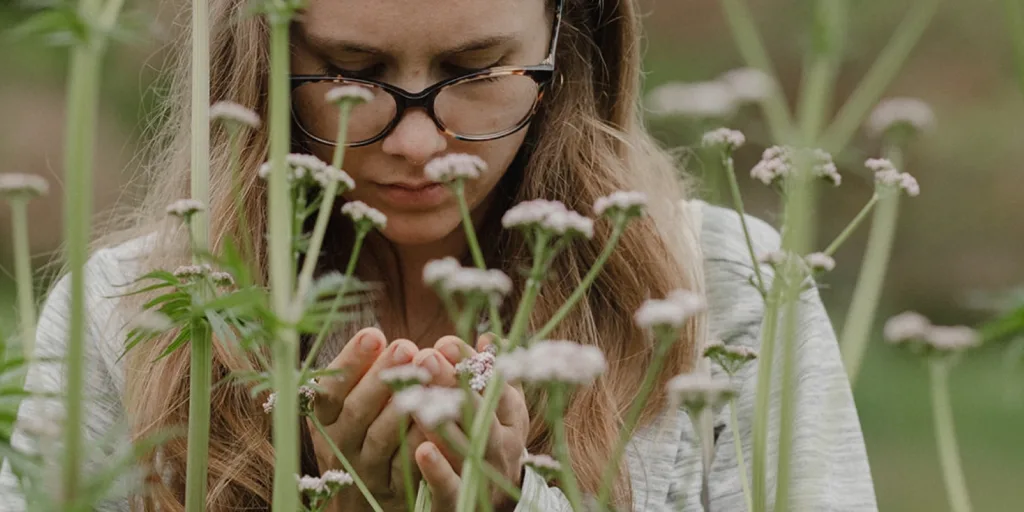
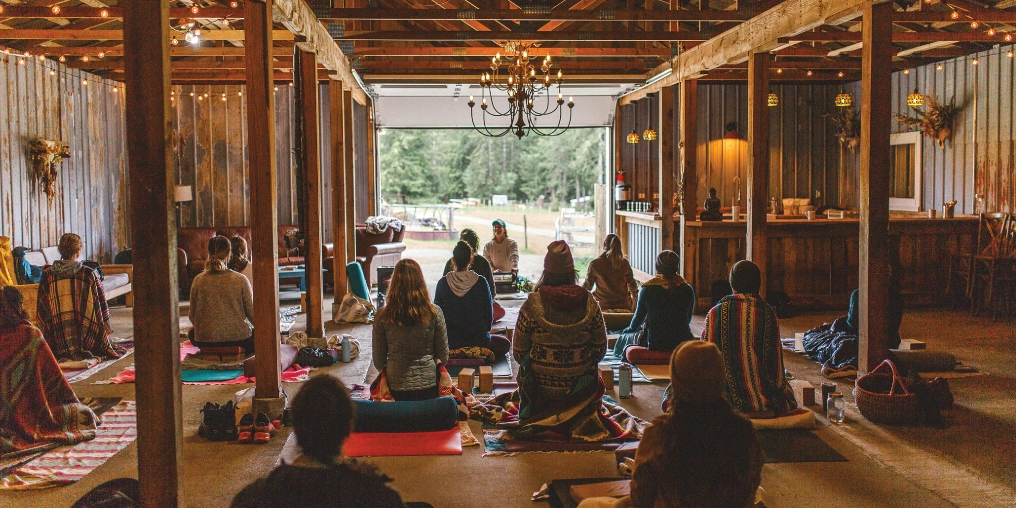
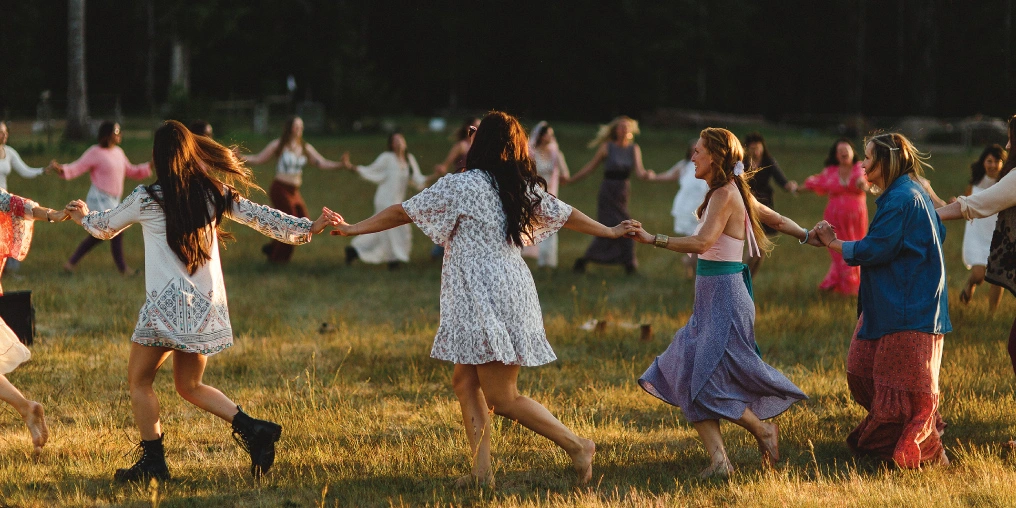
At Smith Lake Farm, we welcome people for disc golf, glamping stays, wellness events, beekeeping tours, and more—and they all pass by the farm store to buy food directly from us.
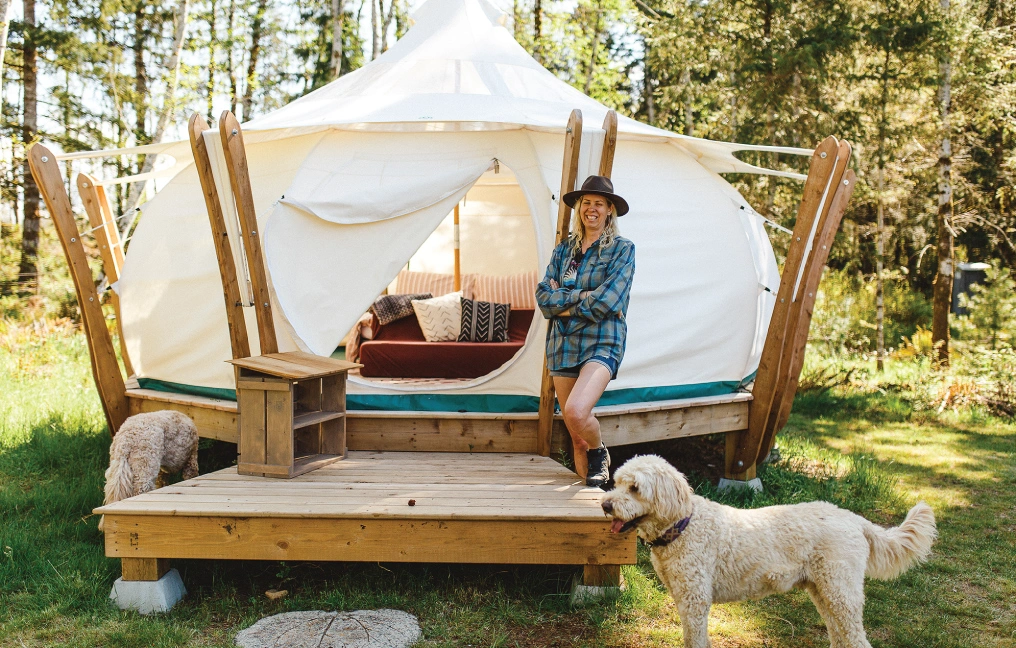
It’s our way of inviting our community to become part of our story. The revenue generated through these experiences gets reinvested right back into agriculture: fencing, livestock, irrigation, apiary innovation, livable staff wages, and local food production.
Agritourism turns visitors into patrons and gives people a reason to care about where their food comes from. Our Smith Lake Farm community supporters have helped our farm overcome many challenges and we are grateful to them. Recently, we have also met many farmers throughout British Columbia experiencing the same adversity. Now, several of us are establishing an agritourism collective that will help us support each other as we advocate for thoughtful change to legislation.
If you want to be part of the solution, here are a few things you can do: buy food from local farms or producers whenever you can (bonus points for visiting local farms and buying directly from them). Share the stories of farms you believe in. Experience agritourism opportunities in your community! Reach out to local decision makers and let them know that food security comes not only from protecting farmland, but also from allowing farmers to branch out into agritourism. After all, promoting the long-term viability of agriculture is in everyone’s best interest.