As fall approaches and the sun’s midday height drops lower in the sky, the points of sunrise and sunset shift southward along the horizon. Daylight hours grow shorter as the plants begin to respond to this change in seasons. Wild plants and foods adapted to the coming colder months will flourish, while the blooms and berries of summer begin to die off.
The natural world provides nourishment for us all year long, but not always with the same foods. Seasons dictate what survives and thrives in our gardens, but there is a wisdom at play here you may not know about. Fall vegetables have unique adaptations that support our health when we need it the most.
Often vegetable gardeners and local farmers grow a summer abundance of foods that are delicious and fresh, but don’t have much of a shelf life beyond the summer months. Some of the long-lasting, traditional fall and winter foods are full of the nutrients our immune systems need most during the colder months of the year. These nourishing foods help to bolster longevity during the slower-paced seasons.
Winter storage vegetables and beta-carotene
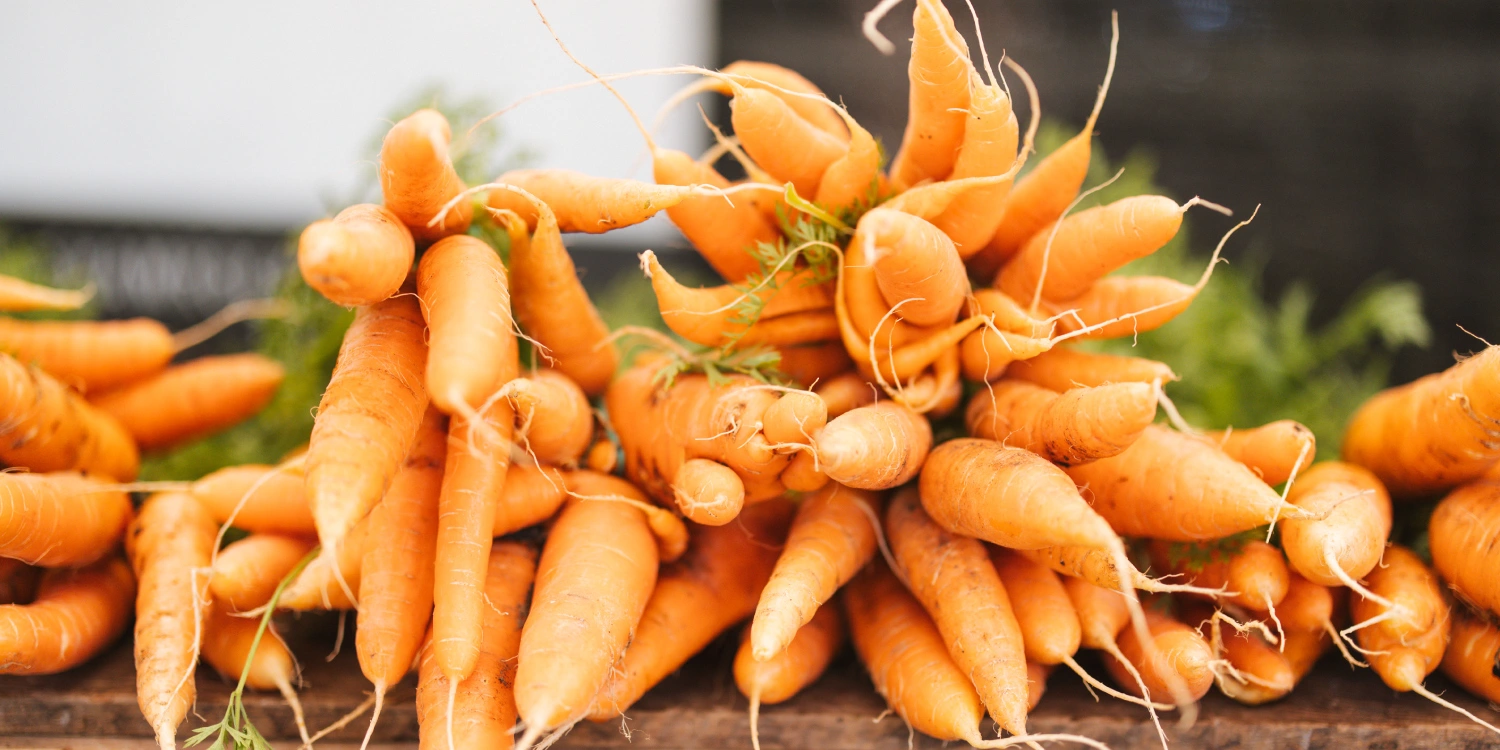
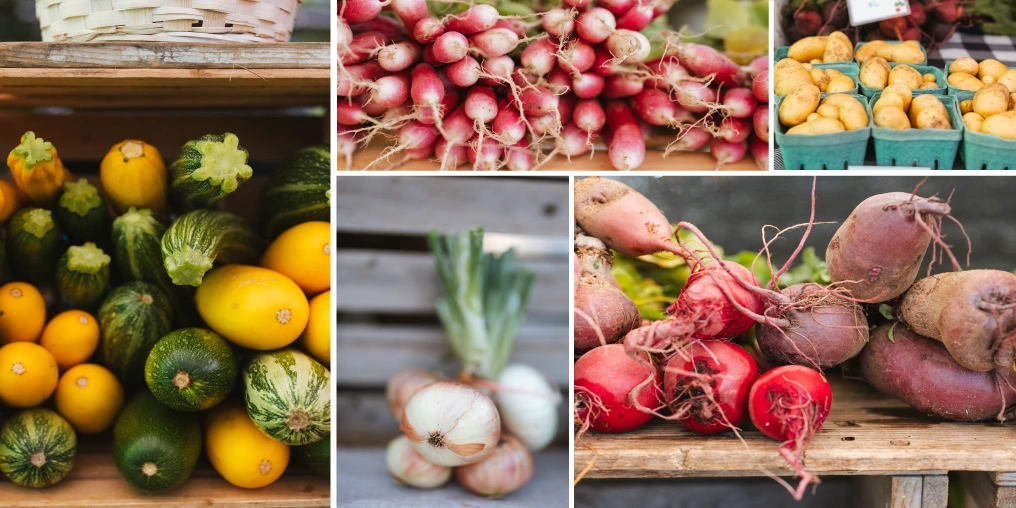
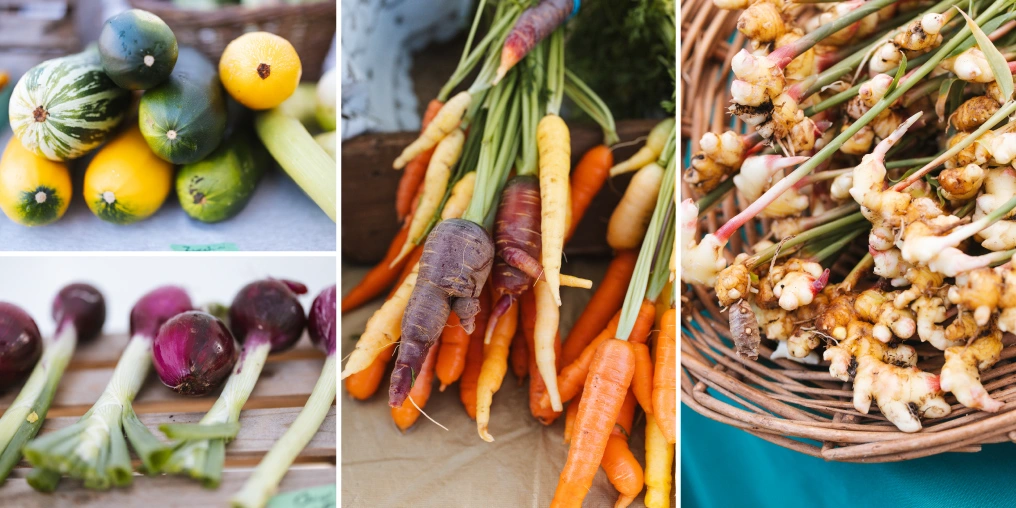
Whether intentional or not, our ancestors prepped and stored foods for the cooler, darker months that provided them with a critical vitamin their bodies needed for optimal immune function. Squash, pumpkins, root vegetables like yams, carrots, and coloured potatoes not only store well, but are a fantastic source of beta-carotene—the precursor to vitamin A.
What vitamin A does for the body
Vitamin A, also known as retinol, is a fat-soluble essential nutrient available in the foods we eat. We cannot synthesize essential nutrients on our own, and are thus required to source them from our diets.
Vitamin A can be taken as a supplement, but must be monitored closely for appropriate dosage as toxicity is possible. The guidance from a licensed medical provider trained in diet, supplement, and holistic medicine can ensure that supplementation, if necessary, is done safely. On the other hand, obtaining beta-carotene through diet can never reach toxic levels.
Although many people in our country would not typically be severely deficient in vitamin A, some may have a marginally low status which can result in reduced immune function and impaired functionality in anything vitamin A is responsible for.
This essential nutrient plays a role in maintaining the cells that line the skin, the digestive, respiratory, and genitourinary tracts, as well as the eyes and nose. In the absence of Vitamin A, these cell membranes begin to thin and become dry. Vitamin A also plays a role in the function of the eyes (beyond just night vision) in addition to spermatogenesis and the immune system.
Without enough vitamin A, symptoms can include night blindness, premature aging, loss of appetite, reproductive challenge, delayed growth, decreased immune function, and increased susceptibility to infection.
Foods high in beta-carotene
Staying free from colds and the flu in the fall and winter can be a challenge, especially for those around young children through work or family. Keeping up an intake of naturally occurring beta carotene through the regular consumption of carrots, sweet potatoes, kale, spinach, turnips, winter squash, collards, green onions, and apricots is one natural way of keeping yourself strong and vibrant. Vitamin A can also be found in its active form in organ meats such as liver and cod liver oil.
“Fall vegetables have unique adaptations that support our health when we need it the most”
By eating fall’s nutrient-rich foods, you may not only be protecting yourself from sick days, but you could also be helping to protect yourself from cancer. With more than 25 years of worldwide research, studies indicate that people who consume foods with greater-than-average amounts of beta carotene and vitamin A, have a lower incidence of cancer of the lungs, stomach, colon, bladder, uterus, ovaries, and skin.
Eating a diverse diet of locally grown, seasonally available whole foods is so important to our health. Foods high in beta-carotene spend the summer soaking up the energy of the sun, and many of them are easily stored to enjoy all fall and winter long. These foods are naturally designed to sustain us long after the growing season, keeping us nourished and healthy in a natural and unprocessed way.