“Talk is cheap.” – Iggy Pop
The journey to create our community garden and public space began with a single shovel, thrust into the ground on March 29, 2023. Up until then, the site had been a scrubby, unused lawn on the grounds of the McMillan Arts Centre, previously Parksville’s original elementary school. In the years since, we’ve done a whole lot more shovelling, and have reaped the benefit of each shovelful.
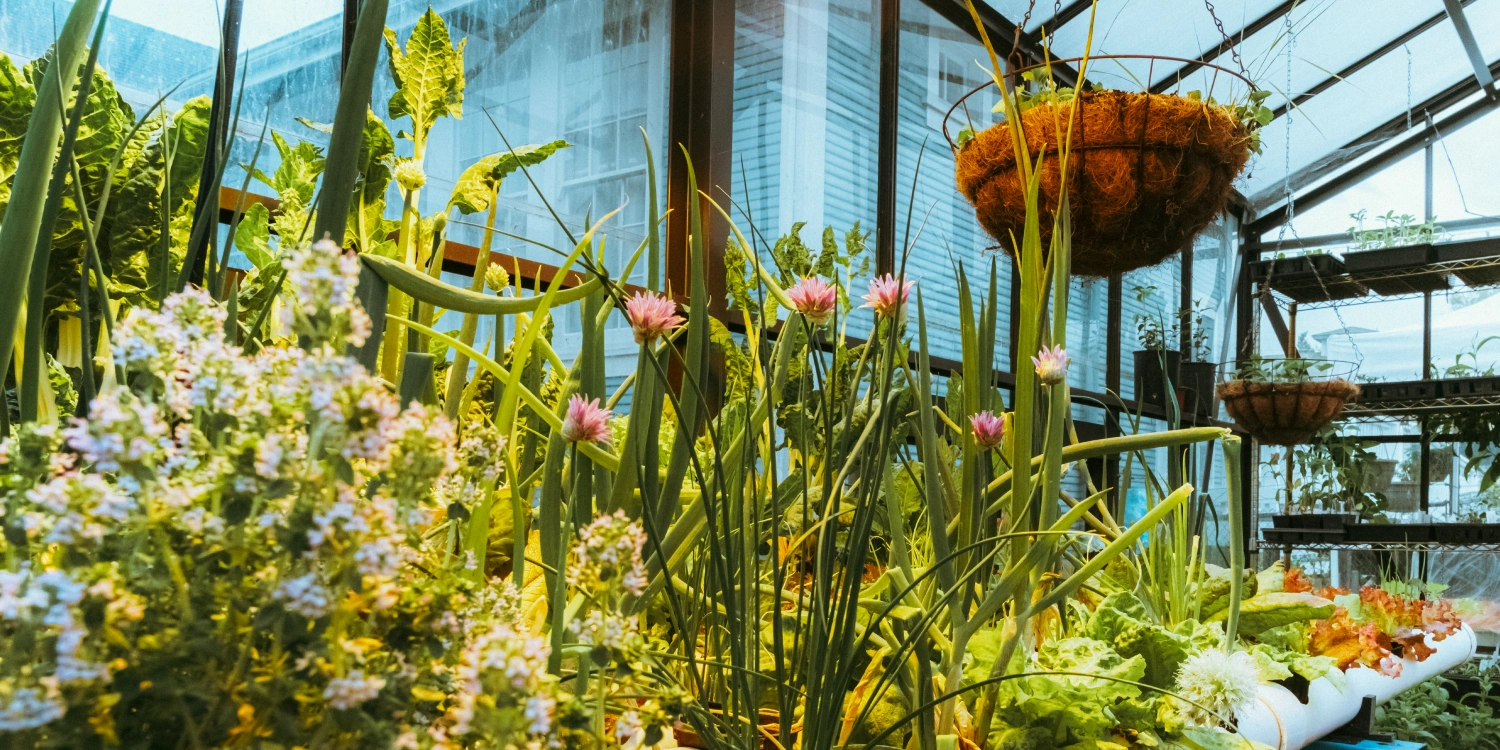
As of today, we have 14 fruit and nut trees, multiple berry patches, grape and kiwi vines, a bunch of raised beds, a permaculture food forest, various types of hydroponics, worm bins, compost bins, bird feeders, pollinator-friendly herbs and flowers, a seed library, and a community pantry and fridge.
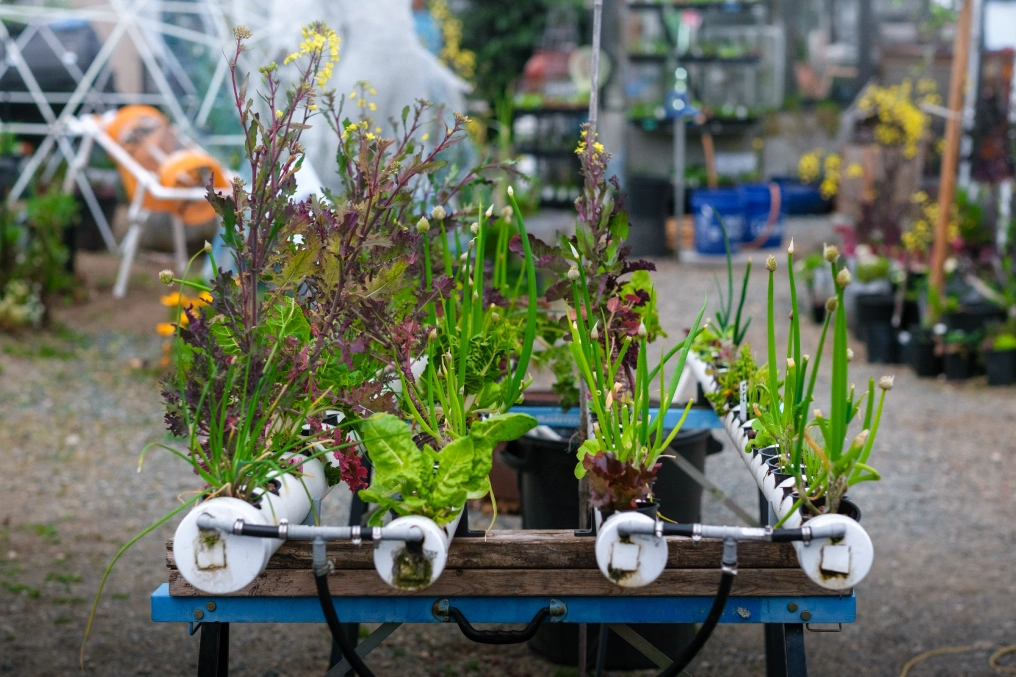
The native soil on Vancouver Island is well known as gravelly trash, and much of the commercial soil available is manufactured with a blend of ground wood chips and sand. It makes a fine filler medium, but it is lifeless in its microbiome. To improve that, and build the fertility of the soil, we’ve been adding mulches, seaweed, and compost teas every season, seeing results from those efforts in our growth and
our yields.
We grow and give away a decent amount of food, an amount that increases every year. But our main goals are to foster food security awareness, encourage and support growing more of one’s own food, and, above all, to build community spirit, joy, and resilience.
“With apples at $3.99 per pound and cauliflower $8 a head, it’s clear something has to change”
Gardening has always been a quiet act of resistance. From the Victory Gardens in Great Britain and North America during World War II, to the guerilla gardening movements of Los Angeles and Detroit, built in response to urban food deserts. In a world that’s spiralling out of control and where we’re increasingly disconnected from the earth and our neighbours, it’s a way of saying, “I choose life, and you can’t stop me.”
While we’ve become used to unlimited, cheap food at any time of the year, it wasn’t always this way. When food started being trucked and flown in from places like California, Florida, and Mexico, backyard gardens were turned into lawns and flower beds.
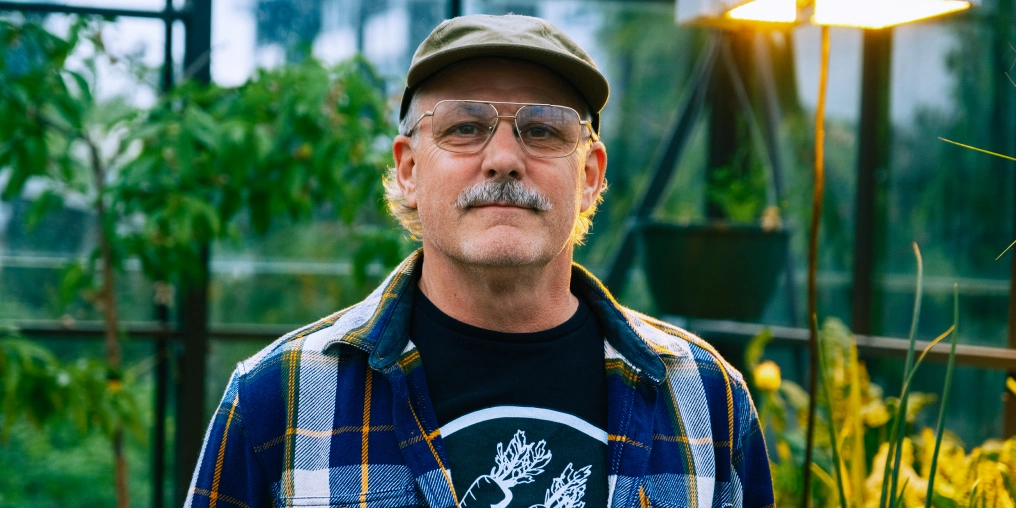
As recent as the 1950s, Vancouver Island produced 90 per cent of its own food. Today we produce maybe five-10 per cent. However, there’s a groundswell of effort and desire to regain sovereignty of some of our food systems from our corporate overlords. And with apples at $3.99 per pound and cauliflower $8 a head, it’s clear something has to change.
Another of our main goals is to act as a vital, public “third space,” ie., not work or home, but some place separate and unique. We have fewer of these spaces where we can go to spend time and not money. That’s why one of the first things we installed were two twelve-foot-long picnic tables, accessible to the public 363 days a year.
Our marquee players, unquestionably, are our chickens. We bought a small flock of day-olds last March, and quickly reached visitors of all ages who came in specifically to visit the chicks. Small kids love them, teens love them, even seniors shared fond stories of a life gone by. They’re the most cheerful of garden companions.
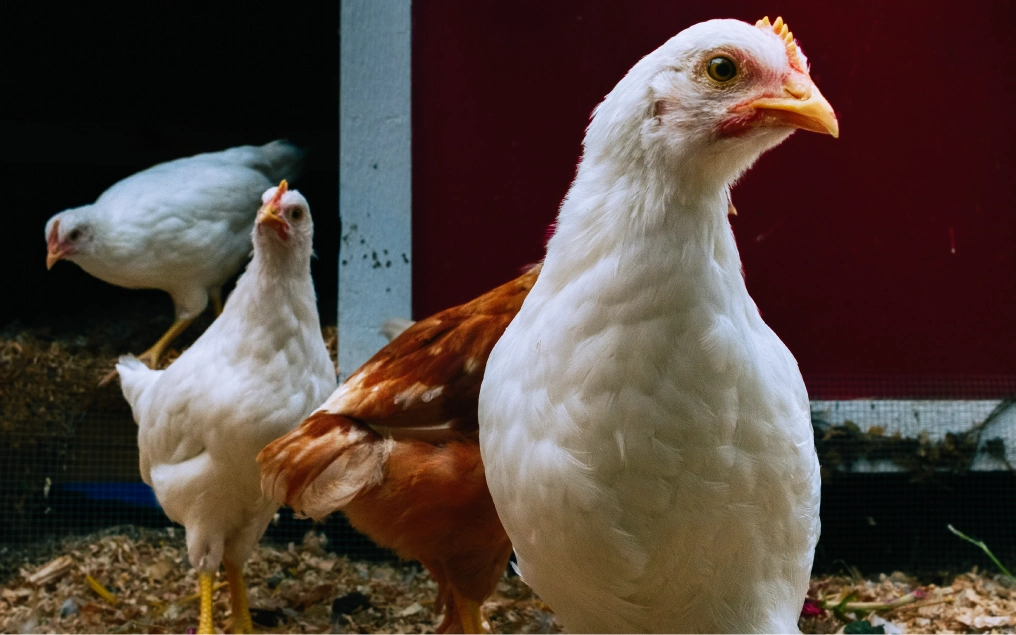
Unfortunately, three of the chicks grew up to be noisy roosters. Although you can legally keep four hens on a residential lot in Parkville, ours falls under public institutional zoning, which doesn’t expressly allow them. After a noise complaint to the city, we had to evict our birds last fall—just as they had started laying eggs. An unfortunate law, but one we hope to overturn.
We’ve produced dozens of workshops on gardening and food production, and host regular social events like concerts, a strawberry festival, community meals, and storytelling nights. Our growing group of volunteers and supporters have big plans for this year, with a Sunday Farmers Market starting in late spring, an after-school Kids Garden Club, and a return to some of our more popular and successful social events.
As we enter our fourth full year of operation we’re clear we’re on the right track; growing food, increasing food-literacy, and building community, in no particular order.