The year was 1925. Don and Phyllis Munday, a young couple from Vancouver who were amateur mountaineers, came up with an idea during a hike on Mount Arrowsmith on Vancouver Island. Standing on the summit, they looked out across the Strait of Georgia towards the mainland. Off in the distance, they saw something that puzzled them. It was the pinnacle of what appeared to be a gigantic mountain, glinting in the sun, but it didn’t appear on any map. They thought, Why not go out and try to find it?
They hatched a plan: travel up the coast and deep into the BC interior, leave their five-year-old daughter with a family of trappers, and head out into the wilderness in search of that mountain. They would keep going until they found it or ran out of food.
This was, after all, the golden age of Canadian mountaineering. The exploits of climbers like Albert MacCarthy—who had just led the first ascent of Mount Logan, the highest peak in Canada—routinely made the front pages. Advances in road and rail travel had opened up the sport to hobbyists, who joined groups like the Alpine Club of Canada and the British Columbia Mountaineering Club. Don and Phyl, members of both clubs themselves, had first met on club outings. They fell in love after she saved him from falling into a crevasse.

Few put much faith in Don and Phyl’s quixotic plan. The area they planned to travel into—about 350 km northwest of Vancouver, at the head of Bute Inlet—was unsurveyed territory, literally a blank spot on the map. Most experts insisted there couldn’t be any major undiscovered mountains there (though the Tŝilhqot’in (Chilcotin) First Nations who lived nearby might have disagreed, had they been asked).
They weren’t professional guides or famous explorers… They were quirky amateurs. They lived in a log cabin. They made their own camping gear.
But in a sense, the main problem with the plan was the Mundays themselves. They weren’t professional guides or famous explorers, or wealthy businessmen like MacCarthy. It was their very ordinariness—Phyl was a stenographer at a local hospital, Don a carpenter turned journalist—that made it hard to imagine they could be the discoverers of anything. They were quirky amateurs. They lived in a log cabin. They made their own camping gear. For them, the height of luxury was bringing a can of sliced pineapple when they went into the mountains.
They appeared to treat the whole affair almost like a treasure hunt, even giving their objective a playful nickname: Mystery Mountain.
Hard-Core Amateurs
But the Mundays were also, in their unassuming way, hard-core. Don had come home from World War I with combat injuries—gas-scarred lungs and an arm torn up by shrapnel—that would have discouraged any other man from climbing the stairs, much less going up a mountain. And Phyl was a gifted athlete. Standing at six feet, she was almost a head taller than most men of the time. Like a trained soldier or firefighter, she could carry almost half of her body weight on her back.
Though it was only a hobby, the Mundays were extraordinarily dedicated to mountaineering. They filled every available weekend and holiday with climbing and hiking; they were the original extreme sports couple.

The 1926 Expedition: Finding Mystery Mountain
In 1926, a year after that fateful hike on Mount Arrowsmith, Don and Phyl put their plan into action. With Don’s brother Albert and a few friends, they sailed to the head of Bute Inlet and then up the remote Homathko River. What they found there was beyond their wildest dreams: a vast wilderness of mountains, glaciers, and icefields (one of the largest of its kind in the world). They explored until they ran out of food and went home, but they weren’t done.
The Mundays would return to the area again and again in the coming years—mapping it, writing about it, photographing it. They gave the peaks and glaciers romantic names, including Radiant, Regal, Scimitar, and Serendipity. They even found and climbed their undiscovered mountain. It’s now known as Mount Waddington, the highest peak entirely within BC.
Recreating History: Greg Gransden’s Documentary Vision
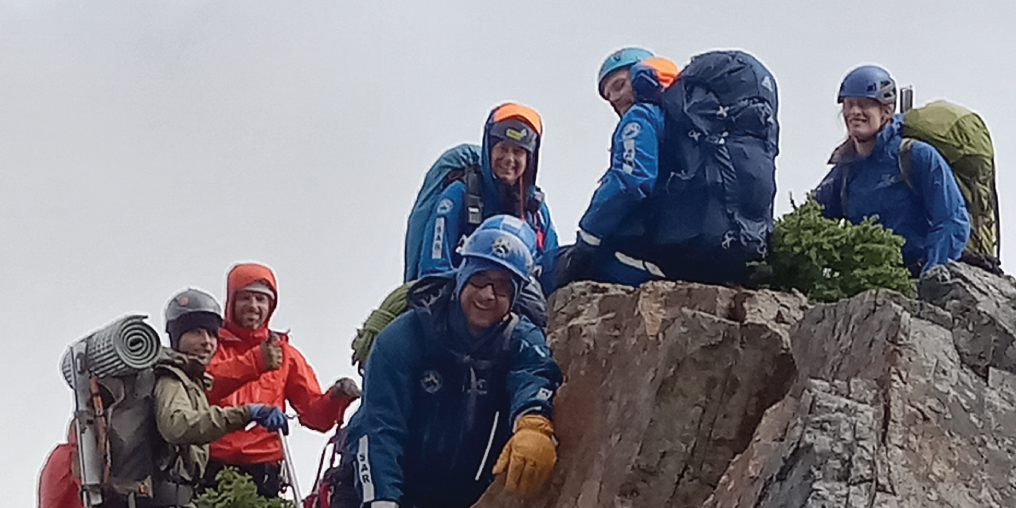
Don and Phyl are the subject of two films that I directed, The Mystery Mountain Project and Chaos Glacier Country, that tell the story of a group of modern adventurers who attempt to replicate the Mundays’ most famous climb: the northwest summit of Mount Waddington, one of two peaks on that giant mountain.
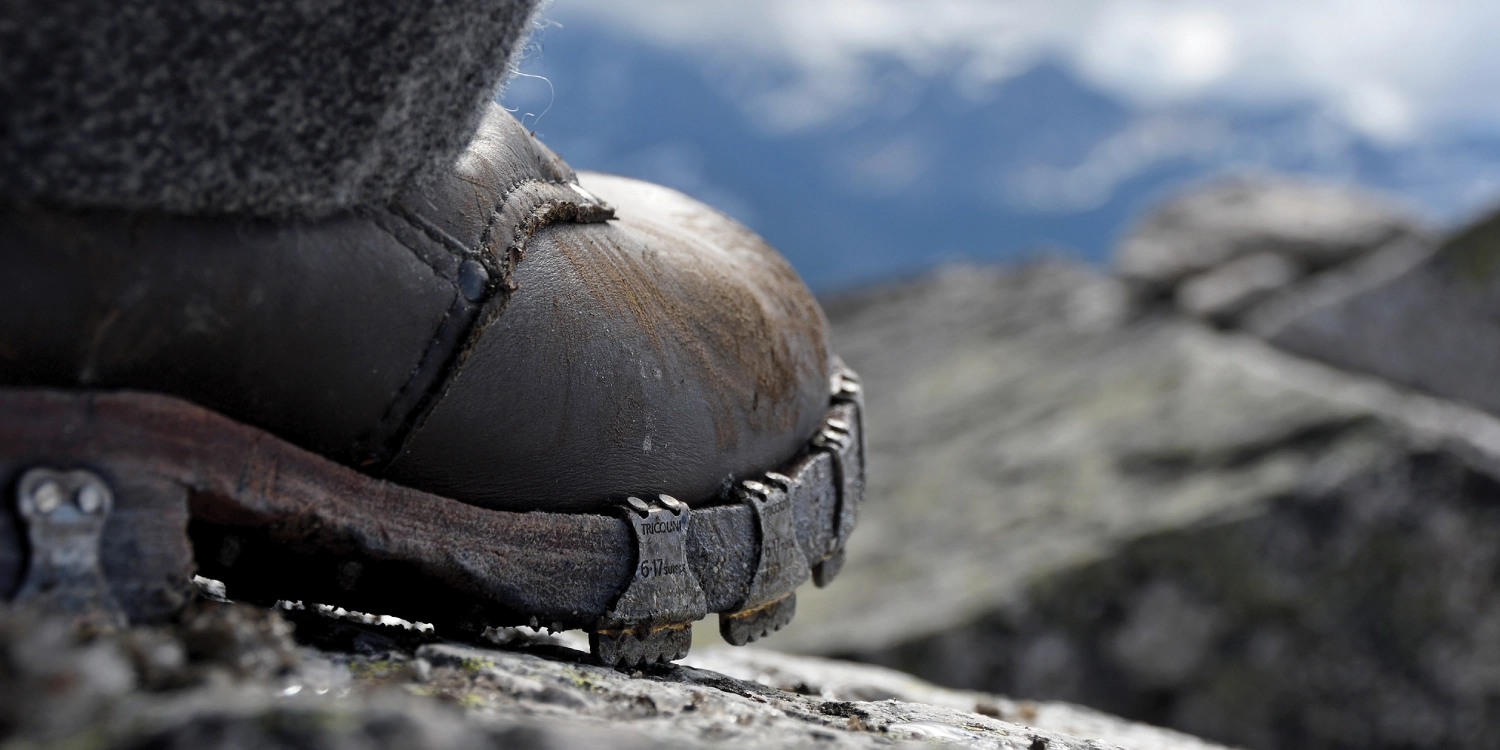
Here’s the twist: they do it using technology from the Mundays’ time. They wear waxed cotton jackets instead of Gore-Tex, sleep in homemade canvas tents, and cook their meals on an antique stove. They use ropes made of hemp fibre instead of nylon. They wear leather boots with iron nails (known as “hobnails”) driven into the soles for traction on ice. The idea is to experience what the Mundays went through a century ago, a kind of live-action role-playing, but on real mountains.
It turns out that trying to replicate the Mundays is like trying to replicate an Olympic athlete
It doesn’t go well. Their equipment breaks down, they get lost, they quarrel, and they get sick. It turns out that trying to replicate the Mundays is like trying to replicate an Olympic athlete. It’s easier said than done.
The organizer of these mountaineering re-enactments is a figure Don and Phyl would have found familiar: an amateur climber and member of the Alpine Club, Bryan Thompson. His organization, the Canadian Explorations Heritage Society, is dedicated to recreating great wilderness expeditions of the past as a way to educate Canadians about their history.

The Next Challenge: Mount Logan
Thompson’s next project is even more ambitious: to re-enact Albert MacCarthy’s ascent of Mount Logan using period technology. It would be a formidable challenge even with modern equipment: Mount Logan is located in the Yukon, in a subarctic region where 100 km/h winds and summer temperatures of -25° Celsius are common. Frostbite, altitude sickness, avalanches and crevasses big enough to swallow a school bus are among the hazards they will face.
Anyone who has witnessed the tribulations of Thompson and his friends on their Mount Waddington expeditions, as chronicled in The Mystery Mountain Project and Chaos Glacier Country, might be surprised that he’s looking forward to kicking it up a notch on the ferocious and unpredictable Mount Logan. But if you ask, he might just say he’s only living out Don and Phyl Munday’s credo: “Exploration by persistence.”