On a hot July day, Ross Springford gave me an unheard of 45 minutes of his time, sitting in front of his busy farm store, sharing the history of his family’s involvement with farming this piece of land.
Family farms have enough to contend with in these modern days: from rising input costs, to land prices and availability, to climate and weather, and tight labour markets. Meanwhile, more than 60 per cent of Canadian farmers are over 55 and only 12 per cent have any kind of formal succession plan.
For the Springford family of Nanoose Bay, their most recent succession came through a generational handover that allowed the farm to live on and thrive. Ross Springford is the newest in a six-generation legacy of Canadian farmers that began with his mother Diane’s family. The legacy took on the Springford name when Colin, Ross’s dad, “married the farmer’s daughter,” as he puts it.
How the family came to Northwest Bay Rd.
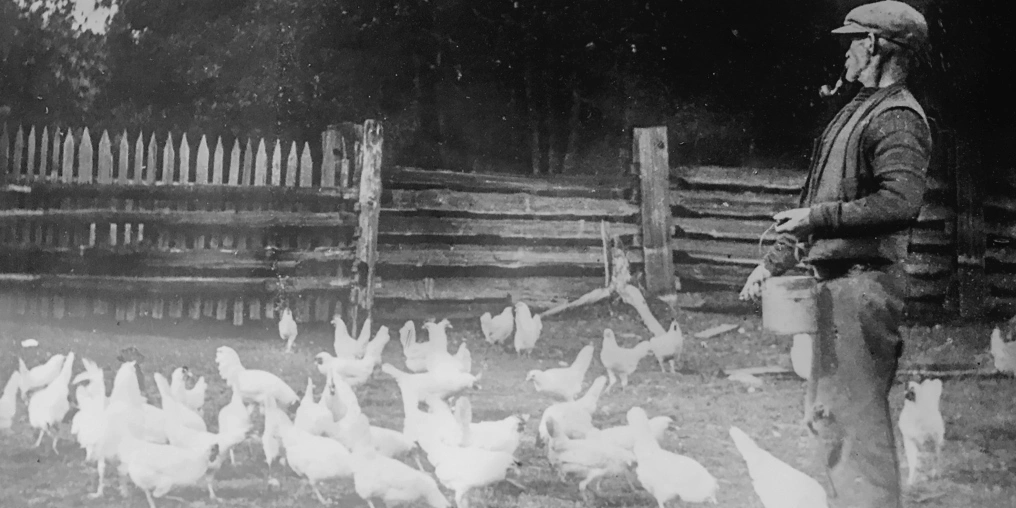
Colin wasn’t born a farmer, but got the bug while growing up in the Saanichton and Brentwood areas. He made his first foray into the lifestyle with a five-acre parcel off Blower Rd. in Parksville, which soon became 10. The iconic Northwest Bay Rd. property in Nanoose Bay has only been in the Springford family since 1998, when Colin decided the 30 acres they had in the Dawson Valley, below the Nanoose Bay Chevron on the highway, where the giant gnome once stood, wasn’t big enough for him.
“Fifty chickens became 400 and 400 became 5,000 and now we’re at 15,000”
Coming home to farm
Ross grew up on the farm, worked the land, and learned alongside his dad. After graduating high school, and a brief false start at VIU, he headed to Olds, Alberta for their agriculture program. He spent a while working off the farm, but eventually made his way back home. “Ultimately, the farm evolved to the point where Dad was struggling to manage it all by himself. I was coming home on weekends and helping, and I just said to my wife, girlfriend at the time, ‘I think I want to move home and start farming.’”
Ross described how the focus of their farming evolved. “Fifty chickens became 400 and 400 became 5,000 and now we’re at 15,000,” he said. “The push to the egg side of the business was for me and my wife to have a consistent cash flow, a proper business that we could run.”
They wanted something that wouldn’t take away from what they were already doing without creating a significant amount of extra work. “It added labour,” Ross said, “but it didn’t add that much labour.”
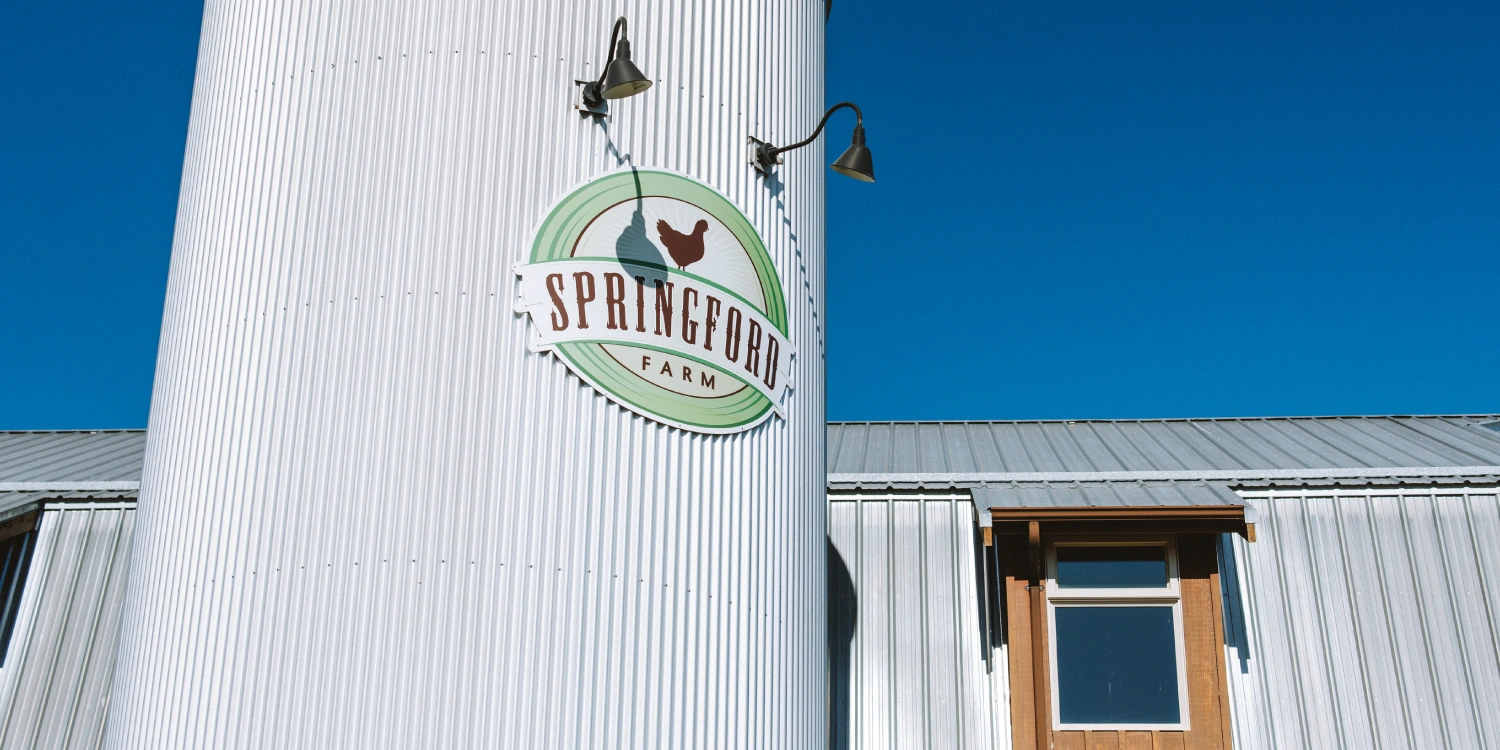
The Springford Farm store and viewing barn
The farm store first opened in 2014 and allows the family to sell their own goods as well as farm products from about 80 other local producers.
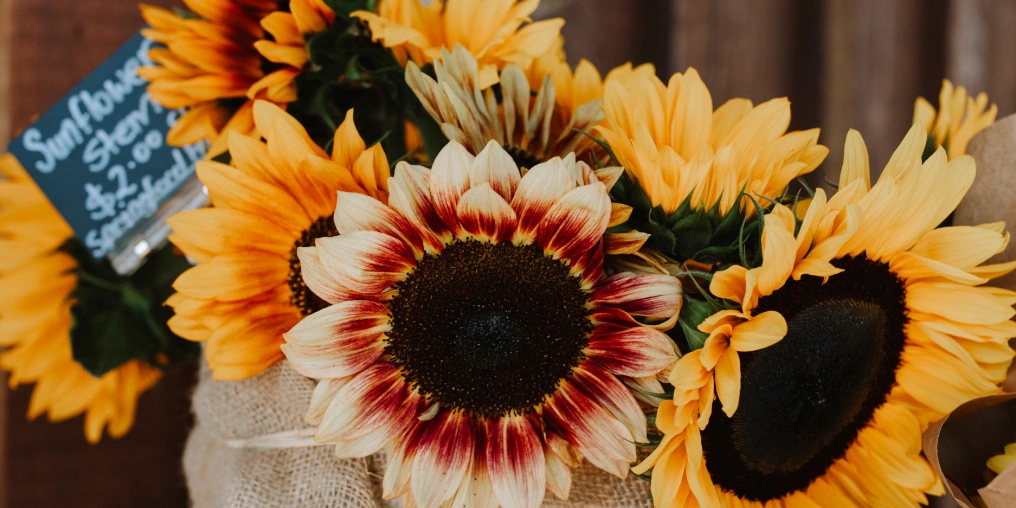
As we talked, we watched the steady stream of cars entering and leaving the parking lot—something he’d never expected. Many visitors were coming to see the newly launched viewing barn, where visitors can enjoy a tour (from behind glass) of one of the chicken barns and free-range fields that houses about 3,800 of their estimated 15,000 laying hens. It’s a great opportunity for visitors to see, hear, and smell an active, humane poultry farming operation.
Technology and social media can be an added challenge for a farmer, or they can be a huge boon to someone who can manage it, as the Springfords have; first through an email newsletter spearheaded by Colin, and more recently via Facebook and Instagram accounts with over 6,000 followers.
As for AI, Ross expects to see an introduction of robotic egg grading technology in the next couple years, a change from the lonely, old-world task of candling 15,000 eggs in a dark room. Candling is the process of holding an egg up to a candle, or other light source, to check for cracks, defects, and embryos.
“Never let your ego get in the way of hiring somebody smarter than you”
Giving back and winning over the neighbours
Community involvement is a big part of the Springford family ethos. The Springford Foundation has been in place since 2022, and offers grants to organizations active with environmental stewardship, children and youth, and food security.
“That was one big thing he taught me,” Ross explains of his dad’s dedication to the community where he lived and worked. “My Dad’s other big lesson was, never let your ego get in the way of hiring somebody smarter than you.”
“When Nanoose Community Services, [the local area’s food security initiative] first started, Dad was one of the first people to ring up and say, ‘I can supply you with eggs. How many do you need?’ We’ve been doing that for a long time, and that’s something we’re very proud of.”
But it hasn’t always been a smooth road. The farm did receive some backlash they had to overcome. ”When we first built the chicken barn, we actually had a petition that we shouldn’t be able to do it. So, we rented the library down at the Red Gap there, and my mom and sister knocked on every door and gave them a pamphlet. We probably had 100 people at the meeting.”
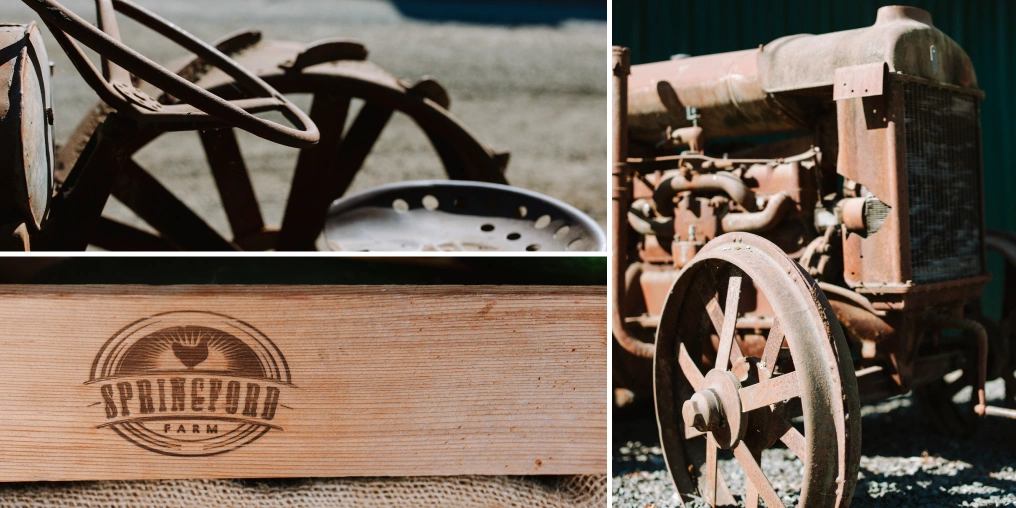
The Springfords called the meeting to address their neighbours’ concerns head on. “It was 2011 or 2012. So technology wasn’t really too far advanced, but I said, ‘if everybody here has got an email address, give us your email. And when we know we have a challenge on the farm, or we’re going to do something, we can just quickly send an email.’” Even in the face of opposition, they still made connecting with the community a priority.
With his down-to-earth sense of humour, Ross shares how this community correspondence has evolved. “Now whenever we go to spread manure on the farm, we send out an email to our neighbours, and my tagline on the bottom of the manure-spreading email is, ‘Invite your mother-in-law. You look good, and she won’t stay long.’”
At just 45, and with any luck, Ross should have another couple decades of farming left in him. Whether his own kids or his siblings are willing to take on the responsibility of the seventh generation on the land remains to be seen. Until then, you can trust there’s a Springford behind the quality meat, eggs, and vegetables at the Nanoose Bay farm store you’ve grown to know and love.