



LITTLE RIVER: REFLECTIONS FROM A YOUNGER RESIDENT
I grew up on remote Read Island, surrounded by a few retired folks and several young families, with only a few friends my age. This has felt like both a blessing and a curse, because I know how it feels to be part of a strong, caring community, but I struggle to be comfortable around groups of people my age. My local elementary school seldom has more than about 10 full-time students! This meant that leaving to go to high school felt very intimidating.
Finding an alternative to mainstream high school
I sometimes wonder what it would have been like to have a “normal high school experience,” but mainly I’m grateful I found another option: an alternative outdoor education program called the Cortes Island Academy (CIA). It was started because of the need for a high school on Cortes Island, and now students attend from other remote islands, from across Canada, and even from different countries.
“These arduous experiences make it easy to get to know each other quickly; you bond over completing a hard hike or commiserating about your aching arms after a day of paddling.”
It feels more connected and accepting than mainstream high schools (based on what I’ve heard from my peers and my own limited experience). I went to a high school in Campbell River for a term and enjoyed the courses, but found it hard to connect with other students and be myself.
Building community through wilderness trips
The CIA has a unique way for each new group of students to get to know each other well: we start every year with multi-day hiking or kayaking trips. We plan our meals and map out our routes ahead of time, then head into the wilderness to explore, learn, and play. These arduous experiences make it easy to get to know each other quickly; you bond over completing a hard hike or commiserating about your aching arms after a day of paddling. You see everyone at their best, watching the northern lights together or swimming on a sunny day, and at their worst, in bad moods with messy hair after a long, uncomfortable night in a tent.
“I’ve learned to use my voice in many ways: to connect with my peers, move projects forward when our group needs a boost, and convey meaningful messages to the world.”
Learning through creative expression
The CIA strives to support students’ individual needs and interests, allowing everyone to find their strengths. For example, in our group filmmaking course, each person chose for themselves what they worked on: recording, sound, editing, etc. I’ve done podcasting, made videos, and presented projects to my classmates. I’ve explored sculpture, painting, collage, drawing and writing, and been the copyeditor for a student-made booklet highlighting our creative works. I’ve really enjoyed the opportunity to express my learning through many mediums, especially visual arts, as I’ve always loved painting and sketching.
Our small group size allows for lively discussion and the space to hear every voice.
Growing confident in community
At the CIA, I’ve grown more comfortable being myself around other people my age. I’ve learned to use my voice in many ways: to connect with my peers, move projects forward when our group needs a boost, and convey meaningful messages to the world. I have lived with three other students each term and learned to share space with them. I have formed friendships that I wouldn’t have had elsewhere, with exchange students from foreign countries and teens from around BC.
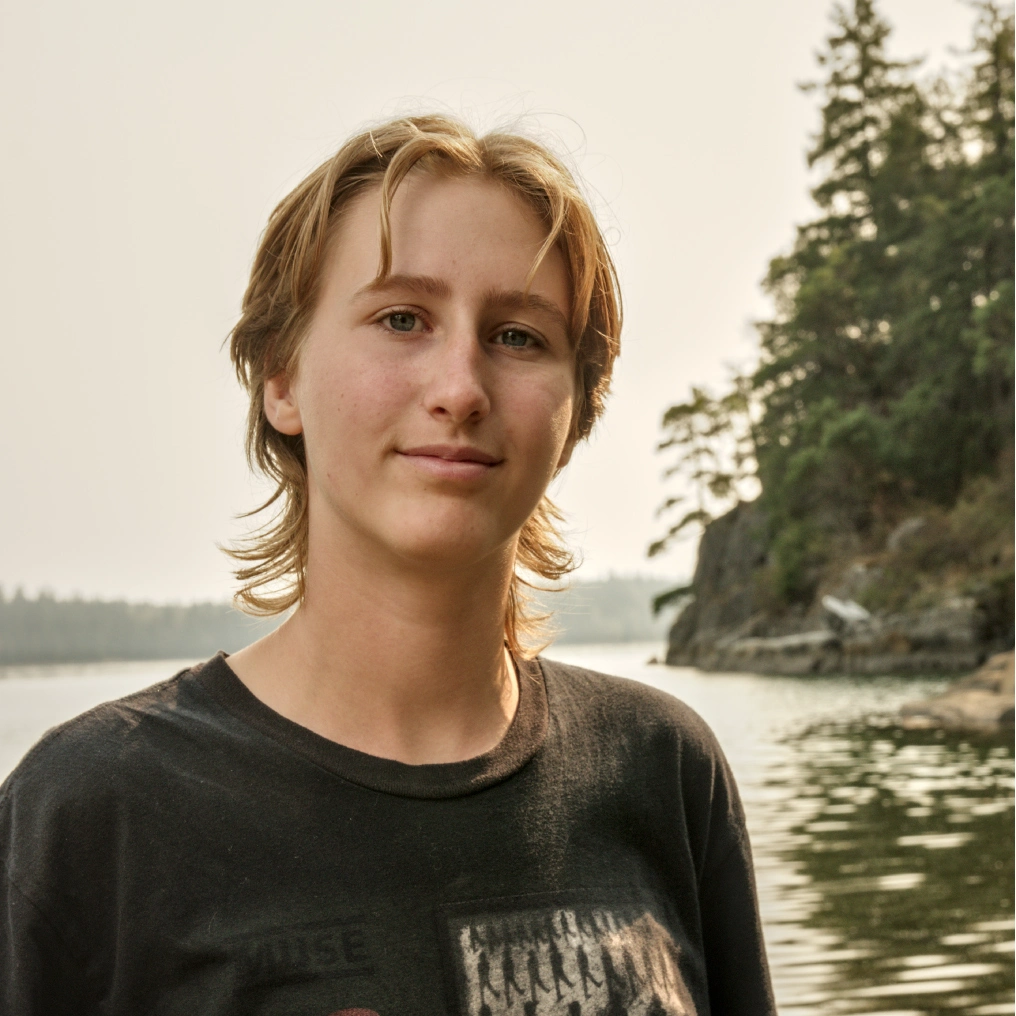
The CIA helped me find many things: community, connection, knowledge, confidence, and parts of myself I wouldn’t have discovered otherwise.


