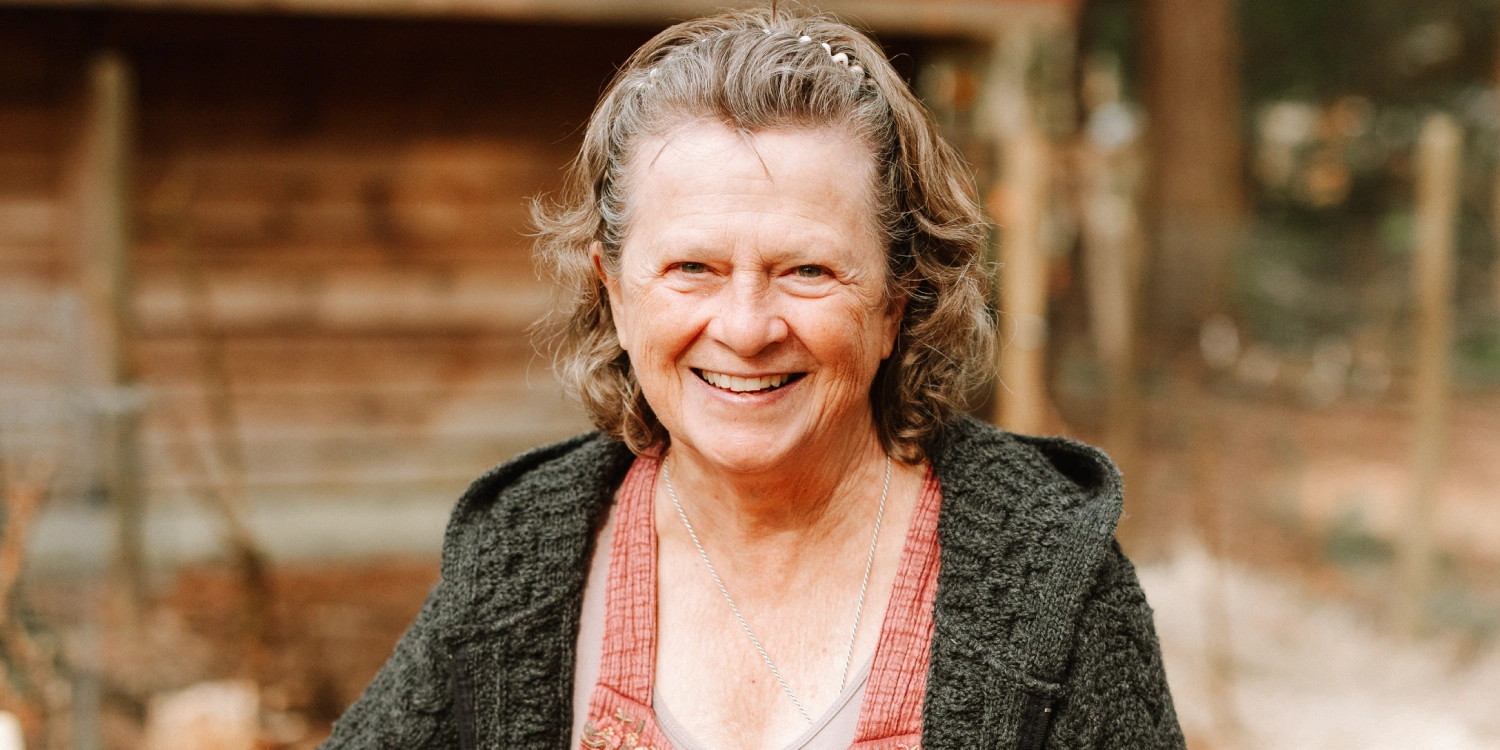
ELDER VALLEY: REFLECTIONS FROM AN OLDER RESIDENT
The days stretch longer as snowdrops rise from winter’s sodden black earth. Rhubarb, too, pushes up chartreuse nubs through a thick mulch of rotting leaves. These harbingers of spring send me searching the garden for more treasures: crocuses and daffodils sprouting, and tiny red peony thumbs reaching for the sun.
Soon it’s time to seed peas and early greens. Standing with front paws up on the raised beds, Lacy, my Yukon sled dog of diverse ancestry, ensures I get the spacing just right. When I tell her it will be a couple of months before we can harvest, she wanders away and digs another hole under a massive fir. While she enjoys picking peas and pulling carrots, she loves digging holes even more.
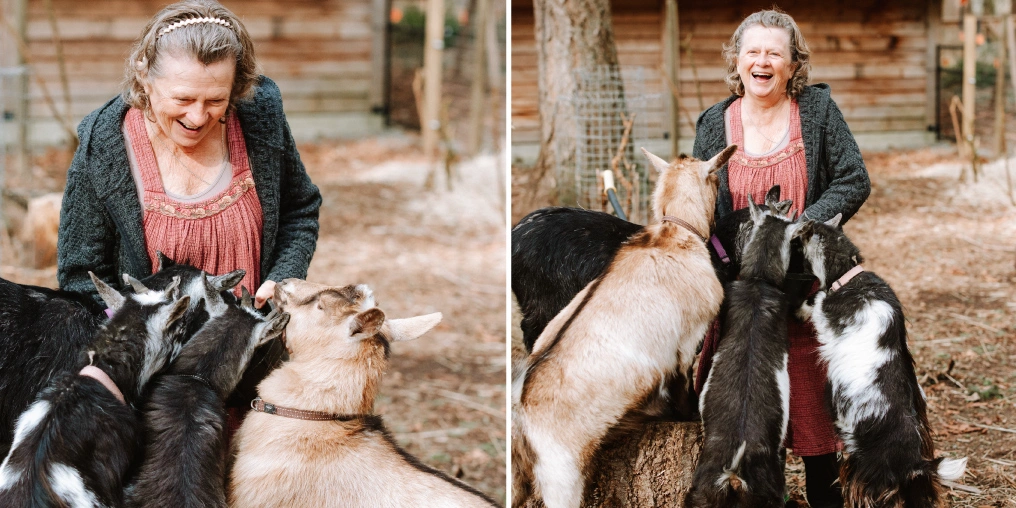
Pleased with the warmer weather, my four little goats leap around and butt each other. Rubbing against the fence, they shed great clumps of winter fur and lean into my legs as I brush their fat bodies. Dust clouds rise in the air.
Cherry trees and gnarled rhododendrons blossom, robins build nests, I shed layers of fleece and scrub winter grime off the Muskoka chairs. Each day, Lacy and I rise earlier to greet the dawn and do battle with an invading army of enormous slugs. They slime their way up stems, gobble leaves and blossoms, extended antennae seeking sweet morsels.
I pull on sturdy rubber slug gloves, retrieve a disgusting, slimy bucket, and grab equally unpleasant snippers. Lacy follows at a safe distance, supervising. The banana slugs—native to this part of the world and useful creatures—I pick up and drop in the bucket, then deposit in the forest to busy themselves munching whatever they like. The black slugs—invasive and destructive—get chopped in two.
My ire increases as I survey the damage. Marigolds—blooming yesterday, skeletal today. Peas—they were three inches high, but not any longer. The hostas and lilies have not fared any better. This is full-on war: Lacy and I begin conducting slug patrols last thing before bed and first thing in the morning. The marauders decrease in number. And in the astonishing way of plants, tender shoots recover, and each day they rise a little stronger and taller.
As the sun traces ever-higher arcs across the sky, its heat scorches the ground. Plants wilt. I hurry around with my watering can and set up beach umbrellas in the vegetable garden. This looks odd, but perhaps a little shade will stop the lettuce and spinach from bolting too early. As the temperature rises, the slugs glide away into estivation.
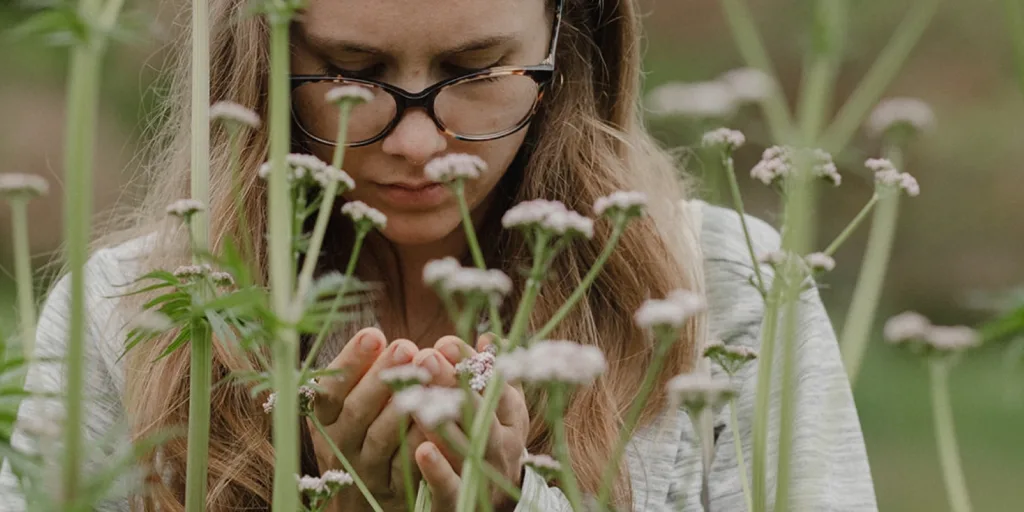
The heady scents of roses and afternoon heat invite lazy reading time. Friends come to sit in the garden, sip sparkling wine, and discuss important matters of aging, especially how good it is to awaken every morning. We speak of the passage of time—not as something nebulous slipping away, but as a precious gift to be cherished. Our laughter rises light, towards an eagle soaring above.