In the pre-dawn hours, I am snug in my bunk aboard my family’s fishing boat, sleeping the deep, contented sleep that comes at the end of a long fishing season. The diesel engine rumbles steadily beneath me. My cousin pokes my shoulder and I am instantly awake—a skill I’ve reluctantly mastered after 21 years of sharing round-the-clock wheel watches with the crew. I climb from my top bunk, careful not to step on my dad below, and take over at the helm. Coffee in hand, I watch the stars wink out one by one as the sun rises.
We are headed south, down Johnstone Strait, with a hold full of fresh halibut and lingcod to sell to our community in the Comox Valley. I’ve done this every summer since I was twelve. My family has done it every year since before I was born.
A few hours later, Kyla relieves me at the wheel. I head to the galley to make porridge and begin emailing customers: the Borealis will be selling fresh fish at the Comox dock this afternoon. By midday, families across the Valley will be digging coolers out of storage and clearing freezer space for the first fresh fish of the season.
I am a second-generation fish harvester. My dad is the captain, my cousin Angus the first mate. Pete Wyness has fished alongside my dad for more than 40 years, and Kyla Savage—another second-generation harvester—rounds out the crew. Kyla and I grew up together, building forts on the breakwater and rowing boats in the harbour. Fishing paid our way through university, funded travels, and now pays our mortgages and feeds our children.
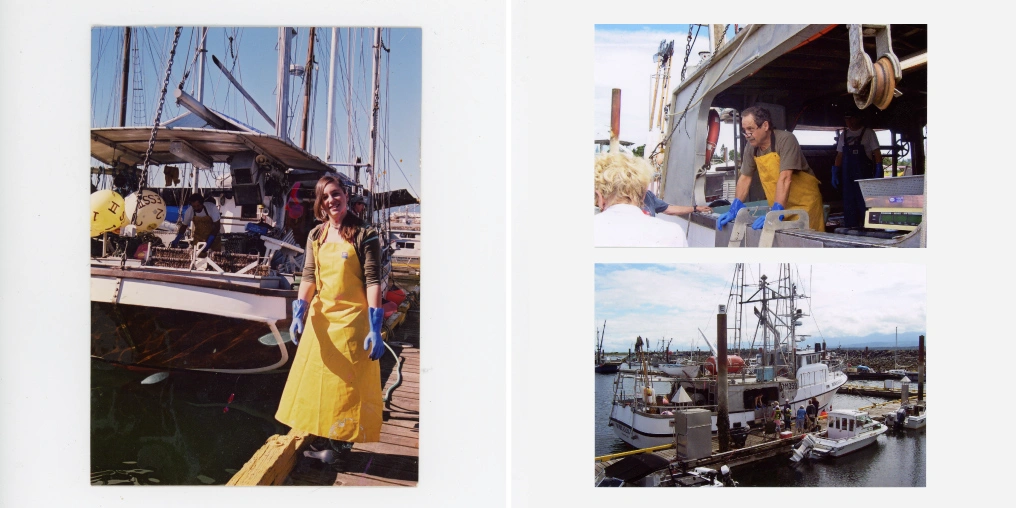
Before we worked aboard the boat, Kyla and I would wait with our families on the dock for our dads to return from long seasons at sea. Dock sales were the most anticipated day of the year in our fishing community. Kids were pulled from school. Families arrived with lawn chairs, baking, and coolers of cold drinks. The exhausted crew stepped off the boat, giving beardy kisses and bear hugs. It was reunion and celebration wrapped into one.
Dock sales began with two days of phone calls from my mom and the other shore-support spouses. “Hello! This is the fishing vessel Borealis calling—we have a boatload of fresh fish coming to the Comox dock.”
Another fishing family, Tim and Theresa Noot, brought the weighing scale. Everyone pitched in, taking orders, weighing and bagging fish, helping elderly customers up the ramp at low tide. When the last fish was sold and the boat cleaned, we gathered for a dockside potluck to celebrate safe returns, hard work, and the communal resource that sustained us.
“When customers buy directly from our boat, their money stays in the community. And what’s more, they get to meet the people who caught their fish and learn how it was harvested”
Our families began selling fish at the dock in 1982. Most of our catch is sold in Port Hardy to processors who distribute to grocery chains and restaurants. Originally, dock sales were a way to supplement income during volatile market years, when prices barely covered the cost of fuel and maintenance.
Over time, they became something more.
“When customers buy directly from our boat, their money stays in the community,” says Kareen Sanderson, who is from a multigenerational Comox fishing family. And what’s more, they get to meet the people who caught their fish and learn how it was harvested.
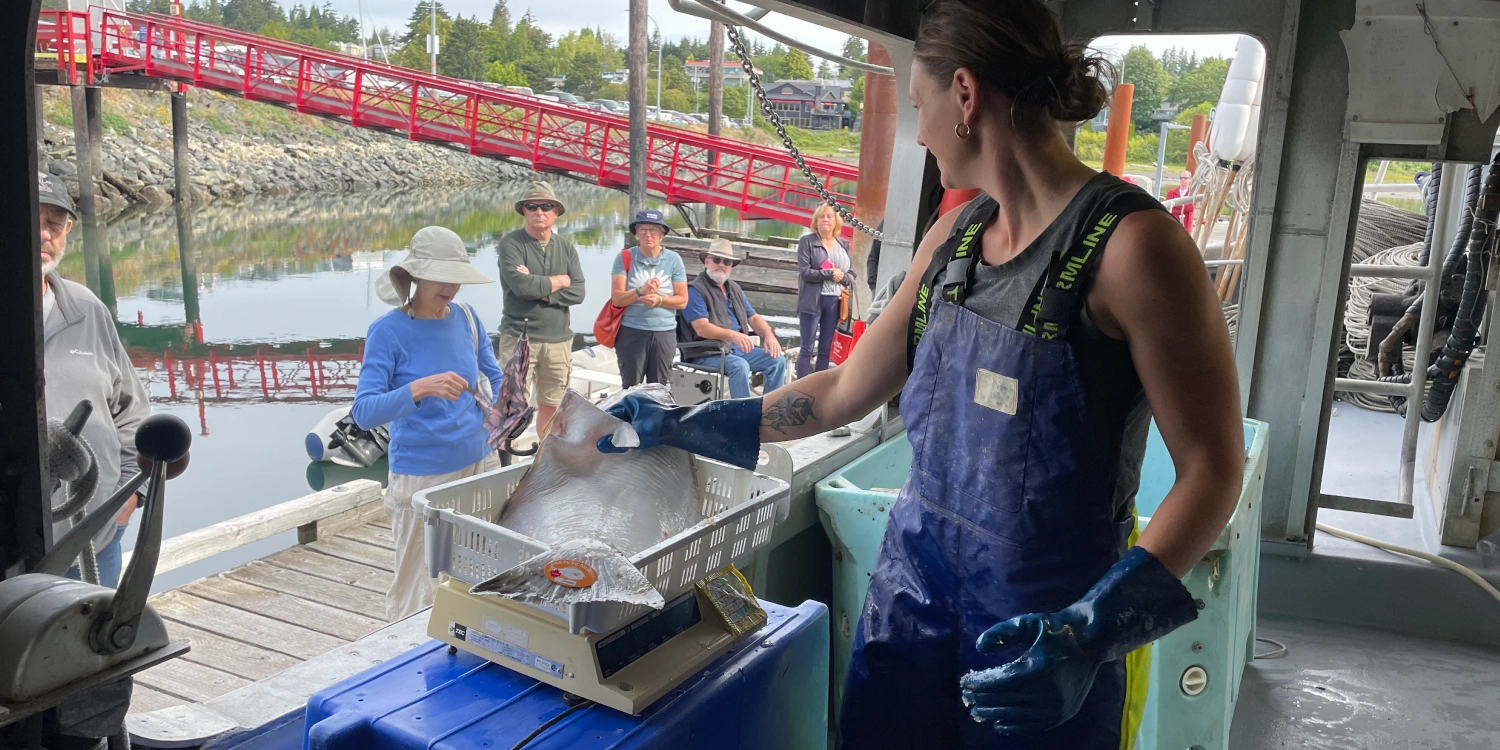
We have loyal customers who buy a whole halibut every year, but we also welcome first-timers curious about the fishery. This is when Pete shines. After 44 years of dock sales, he has likely explained how to cook and freeze halibut to half the Comox Valley.
“I always knew we were a selling a high-quality product because we had caught those fish ourselves,” he says. “I was very proud to sell healthy and delicious protein to our community, but the best part was sharing our identity and culture as fish harvesters with people who had never set foot on a fishing boat before.”
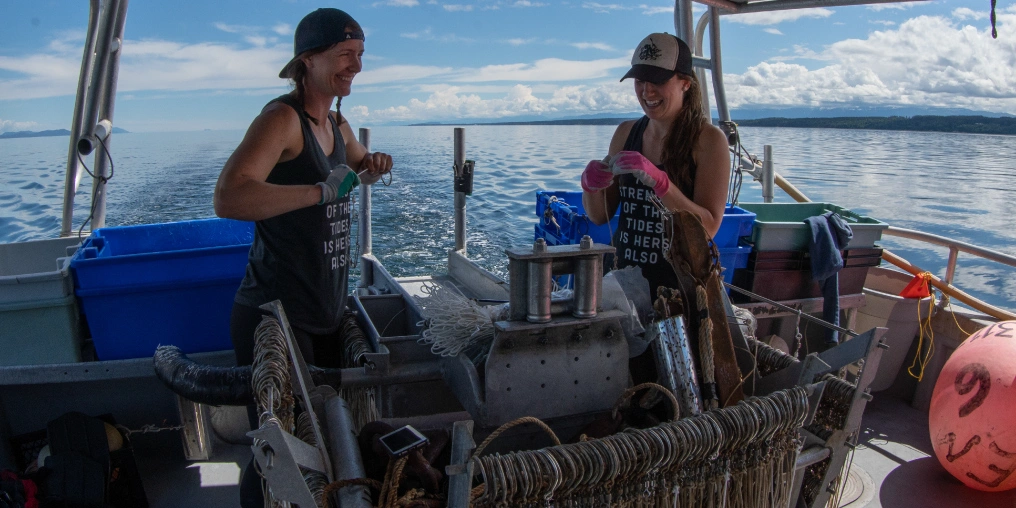
We like to invite those people aboard to look around. We show them how the gear works and explain the electronic monitoring cameras that record every fish we catch. We talk about dockside monitors who tag each fish so it can be traced back to the vessel. And we let the kids honk the extremely loud boat horn.
Most of the work we do as fishermen happens in isolation. Dock sales give the public a rare window into our lives at sea.
Annemarie Pletscher, a long-time Comox resident and former restaurant owner, has been buying fish from us for over 30 years. “You can’t get fish more organic or local than going down to the dock and buying it from the person who caught it,” she reminisces. “The crew always had such fantastic smiles and seemed to be having such fun. They were so delighted to be back home. And everyone was happy in the lineup, excited to be there to buy from fishermen and to talk to them.”
Pete says, “Seeing the same customers once a year is like a timelapse of our community.” Some of them have been buying fish from us for 40 years, like the soft-spoken couple who always requested our biggest halibut. One year, only the husband arrived. We were heartbroken to learn of his wife’s passing. He still comes, now in his late eighties, and still asks for the biggest fish.
“On the boat as kids, we learned how to talk to the public, make change, splice a line, tie knots, fillet fish. These lessons stay with us throughout life, even with those who choose different careers”
In a coastal region like ours, fishing families are woven into the community’s foundation. We supply restaurants and farmers’ markets, donate to fundraisers, and show up for school events. Dock sales highlight that contribution. Many customers ask us for our favourite recipes, which we are happy to share. Brenda’s curried halibut and grape salad is a summer crowd-pleaser, while Theresa’s creamy dill and cheddar halibut is perfect for a nourishing winter feast.
Dock sales are not only for customers—they are opportunities for shore-based family members to participate in the business. On the boat as kids, we learned how to talk to the public, make change, splice a line, tie knots, fillet fish. These lessons stay with us throughout life, even with those who choose different careers.
My cousin Morgan remembers helping scrub the boat when she was eight years old. By 12, she was helping with sales, which she feels built her confidence in speaking to other people. “It’s just been such an honour to be a part of what my family has created for so many years, and I feel glad I can contribute to it,” she says.
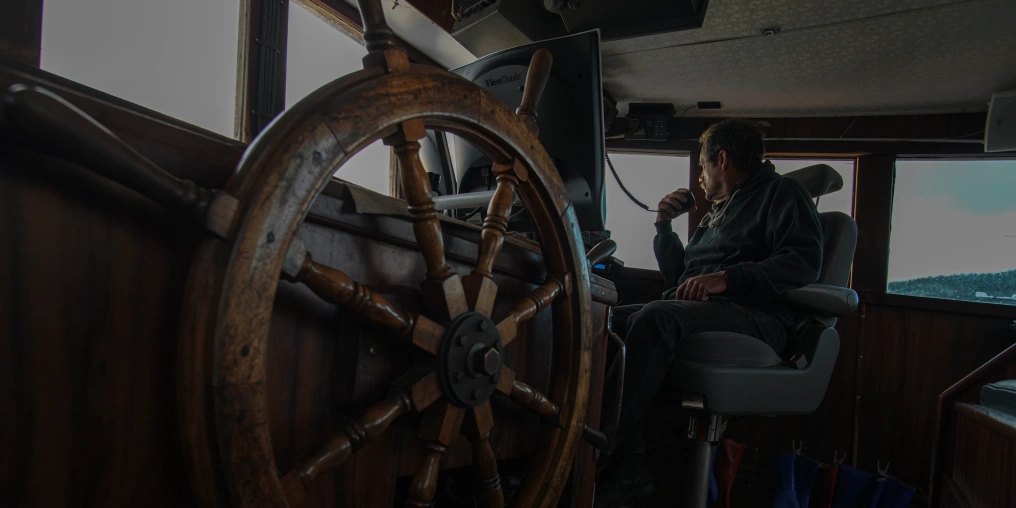
At the end of the day, as the last cooler disappears up the dock, the hold is empty. The deck is sparkling; the dirty laundry is loaded into cars. The crew exchanges bear hugs before heading home for a well-deserved sleep in a bed that doesn’t rock.
This season is over, but a new one will begin soon enough. For now, it is time to enjoy our hard-earned rest and a feast of fresh halibut.
Thank you to Pete and Kate Wyness, Kyla Savage, Theresa and Tim Noot, Russell and Kareen Sanderson, Morgan Grout, Dave Boyes, Judy McLaren, and Annemarie Pletscher for all sharing your stories and memories of selling fish at the dock. You guys are simply the best community anybody could ask for.