For most of my life, I felt like I was trying to play a game where everyone else had been given the rulebook but me.
Conversations moved too fast. Expectations at school and work often felt unclear. I could focus deeply on things that interested me and completely lose track of things that didn’t. After social interactions, I would replay moments in my mind, wondering what I had missed or misunderstood.
From a young age, I knew I was different. I was placed in classrooms designed for students who needed extra support. I attended speech therapy. I was part of an integrated program. The focus was always on accommodation—extra time, extra help, extra attention.
What no one talked about was how that felt.
“The emotional weight of being neurodivergent was often heavier than the reality of being different”
No one talked about the bullying that followed. No one talked about the quiet shame that attached itself to receiving help. Over time, I began to associate assistance with embarrassment. I learned to hide my learning disability whenever I could. I tried to manage on my own so I wouldn’t be seen as incapable.
The emotional weight of being neurodivergent was often heavier than the reality of being different.
It wasn’t until high school that I first heard the word neurodivergent. Before that, I only knew I had “special needs.” The word didn’t change everything overnight, but it planted a seed. It gave me language for something I had only ever experienced as confusion and self-doubt.
As I grew older, that confusion followed me into the workplace. I often lagged in completing tasks and heard phrases like “just work faster” or “just pay attention.” Because it was invisible, my disability seemed to hold no merit; I was left feeling like I simply wasn’t trying hard enough.
That same feeling followed me into parenthood.
I have three kids, and some of the most difficult moments of my life have been watching them wrestle with feeling different from their peers. I could see familiar questions in their expressions—questions I had carried for years without answers. I wanted to be their advocate. I wanted them to see themselves not as lacking, but as valuable. But I was still trying to figure that out for myself.
Around this time, I began hearing other people talk openly about their experiences with ADHD, autism, dyslexia, anxiety, and sensory overload. For the first time, I heard my own internal world described by others. Their stories felt familiar. Comforting. Clarifying.
I realized I wasn’t alone.
That realization became the beginning of Neurosparx: Voices Unseen.
My podcast didn’t start with a grand plan; it came out of a simple desire to create the kind of conversations I wish I had heard years ago. I sit down with people who are neurodivergent and ask questions that many of us were never asked growing up. We talk about challenges, yes, but also about creativity, empathy, unique ways of thinking, and strengths that often go unnoticed.
One part of the podcast has become especially meaningful to me.
I ask each guest to write a letter to their younger self, at a time when they were struggling, and read it aloud.
Those letters are powerful. I listen intently, because in their words I can hear what I wish had been said to me. This is often the most emotional part of the conversation. It reaches beyond definitions or diagnoses and speaks to what it actually feels like to grow up neurodivergent in a world that doesn’t always understand.
Listeners have told me they’ve never heard anything like it before.
“These aren’t abstract stories from far away. These are voices from right here in the Comox Valley”
That’s exactly why I wanted this show to be local. I joined DIG FM after meeting the team during a community day at Lake Trail Community School. I shared my idea of creating a talk show that would give voice to people whose stories often go unheard. They believed in the idea, and it felt like the right fit from the start.
Recording at the Digital Creation Hub in the Comox Valley Arts Council building has also been an incredible gift. Having access to a welcoming local space has made these conversations possible.
These aren’t abstract stories from far away. These are voices from right here in the Comox Valley—our neighbours, coworkers, friends, and family members. When someone hears a person from their own community describe feelings they’ve carried quietly for years, something shifts. It becomes easier to think: Maybe I’m not the only one.
That is the heart of this podcast.
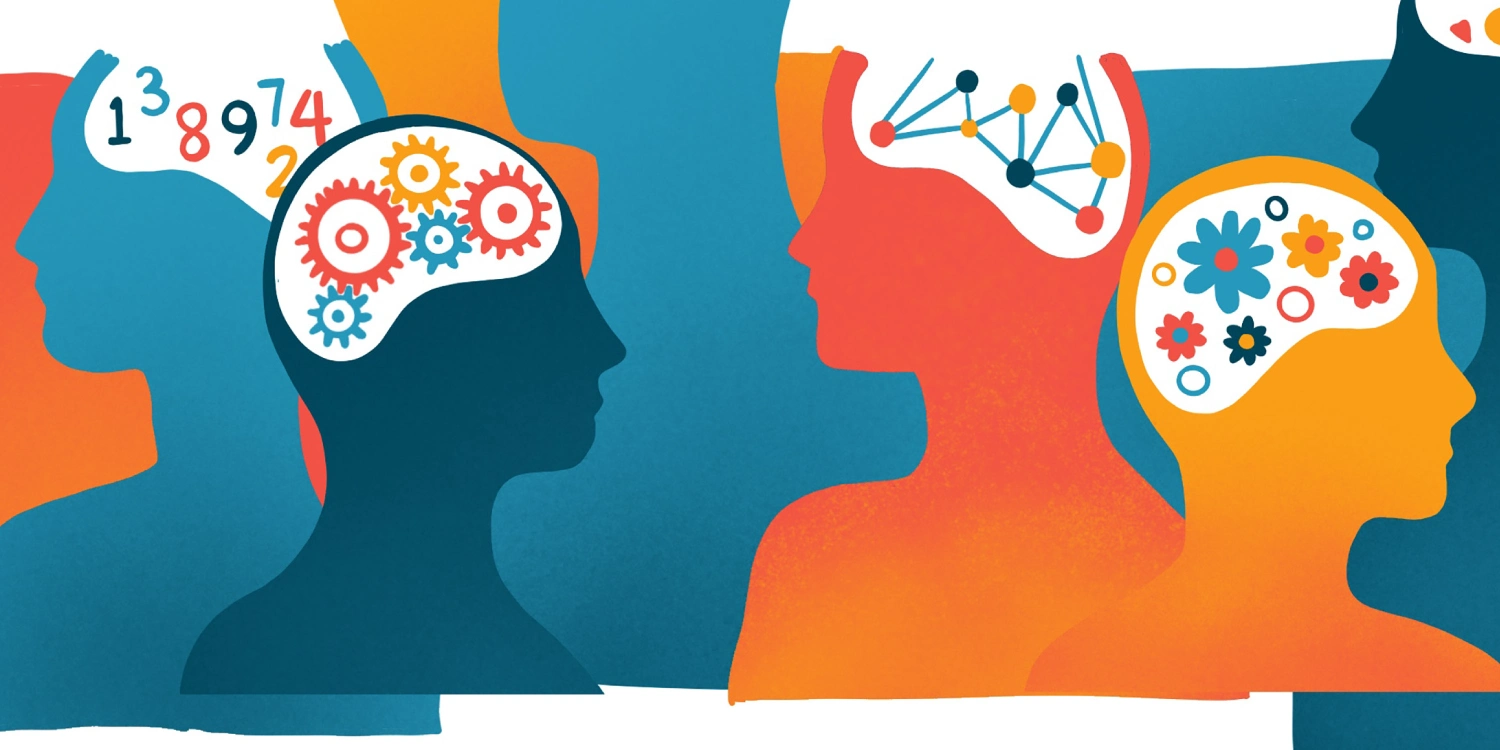
Neurodivergence is often described clinically as a condition, symptom, or diagnosis. But for many of us, it is also a story about belonging. About trying to understand ourselves in a world that can feel confusing. About learning, sometimes later in life, that the very traits we struggled with can also be sources of strength.
My hope is that one day my kids will listen to these episodes and hear something important: that every person I speak with has value. Their stories may be different, but they are no less meaningful. And neither are theirs.
Because sometimes, finding your own voice begins by hearing someone else speak.
And sometimes, the greatest reassurance is realizing you were never alone to begin with.