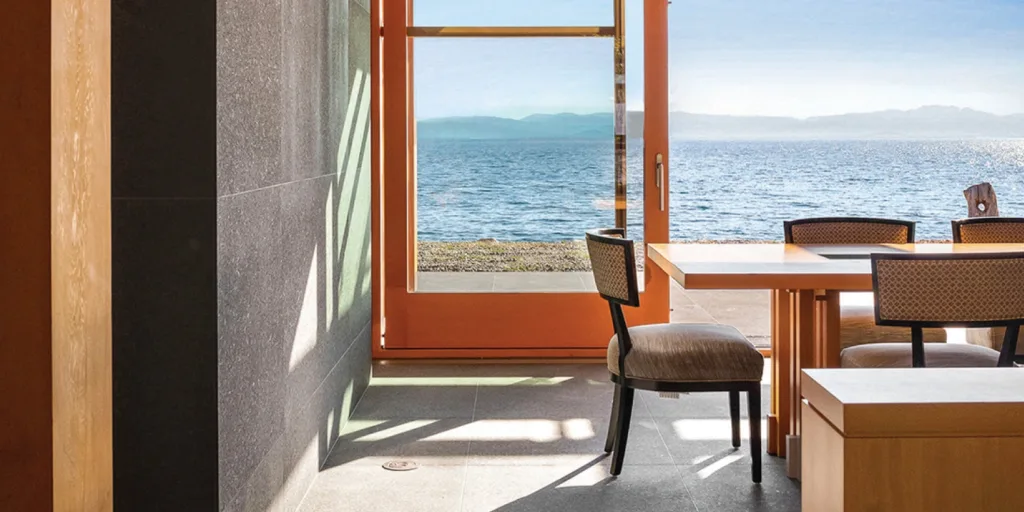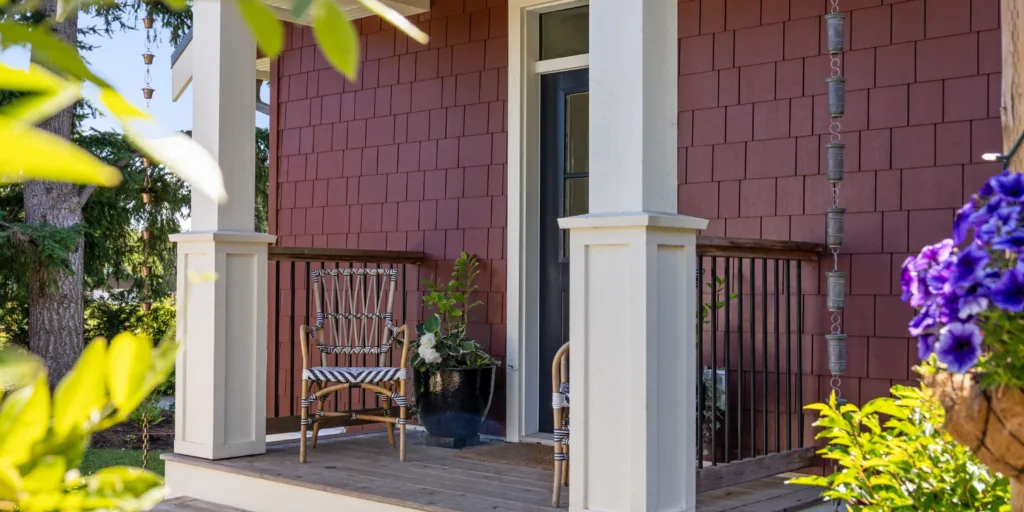

Eight years ago, with a new baby in our arms, my partner and I stood at the edge of 65 wooded acres in the mountains above the Comox Valley—raw land we had just purchased—with a mix of curiosity and cautious optimism.
For him, the connection was immediate. The quiet, the space, the sense of being tucked away from the noise of the world with room to grow. He saw trails to build, places to roam, and a slower rhythm of life. I saw beauty, too, but also questions. Could we really live this far out? What would it mean to start over, away from the comforts of town?
Learning the land
We didn’t rush. For years, we came up on weekends, walked the land, and talked through possibilities.
Eventually, we set up a simple canvas tent in a clearing, added a woodstove, and carved out a small oasis. It gave us a foothold; we began immersing ourselves in the land before committing to something permanent. Those early nights were a fun escape and an opportunity to experience this place.
We learned how the light moved through the trees, how the sun passed over the property in different seasons, where the wind settled, and which parts felt most like home.
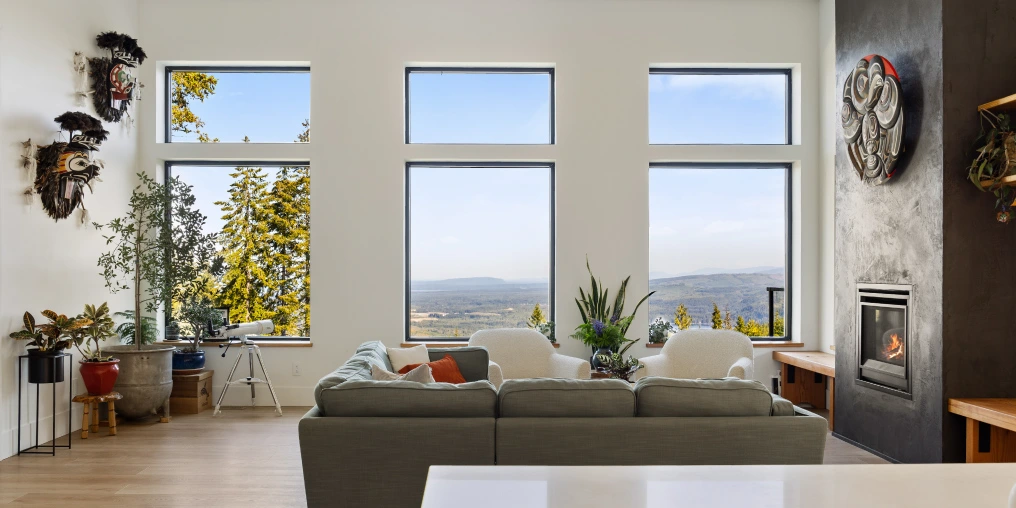
With towering trees and steep topography, the lot had endless possibilities. Being up that high meant amazing views were available, but we were going to have to carve them out ourselves from the timber. We decided to make Hornby Island the focal point for the view from inside the house. This also aligned the living space with the sunrise during the shorter days of winter.
Building with intention
When we began to build, we started with what we could do ourselves: clearing trees, roughing in trails. It was slow, physical work, but it gave us a deeper understanding of the land and how we wanted to live on it. Then we brought in a local team led by Jon Milburn, whose thoughtful approach helped bring the structure to life. Their work was solid, skilled, and respectful of the landscape. They understood we weren’t looking to incorporate every new trend and that we wanted something unique, robust, and most importantly, functional.
A home open to its surroundings
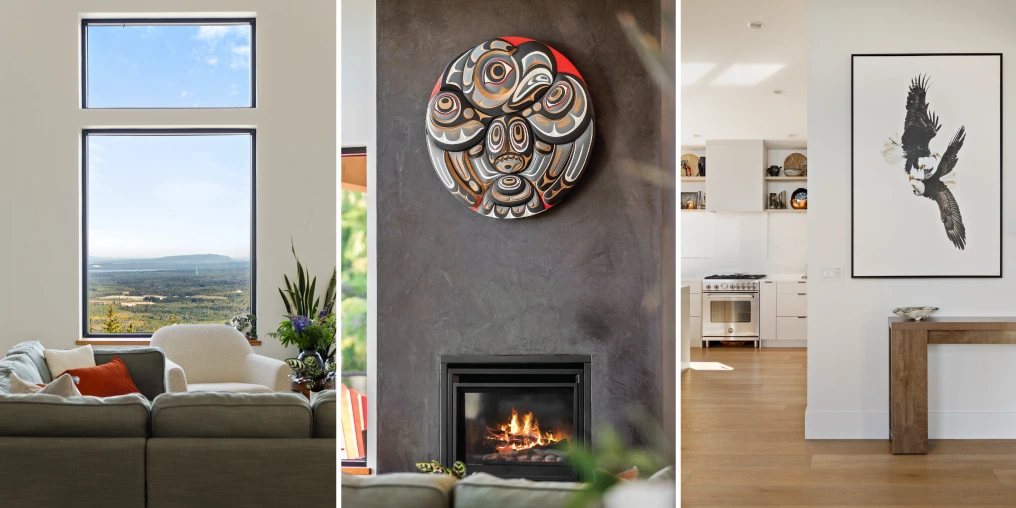
The house is designed to feel open and fluid, connected to its surroundings. Large windows frame the Salish Sea, Comox Lake, and the Beauforts on one side, while on the other, they allow the forest and trees to become part of the interior. The living room centres around a fireplace, with built-in shelving and a mix of wood and soft textures to keep things feeling grounded and comfortable.
Natural light moves through the rooms throughout the day. In the winter, the snow piles up outside while the fire crackles inside. In the summer, the doors stay open and the breeze moves through the house like a second heartbeat.
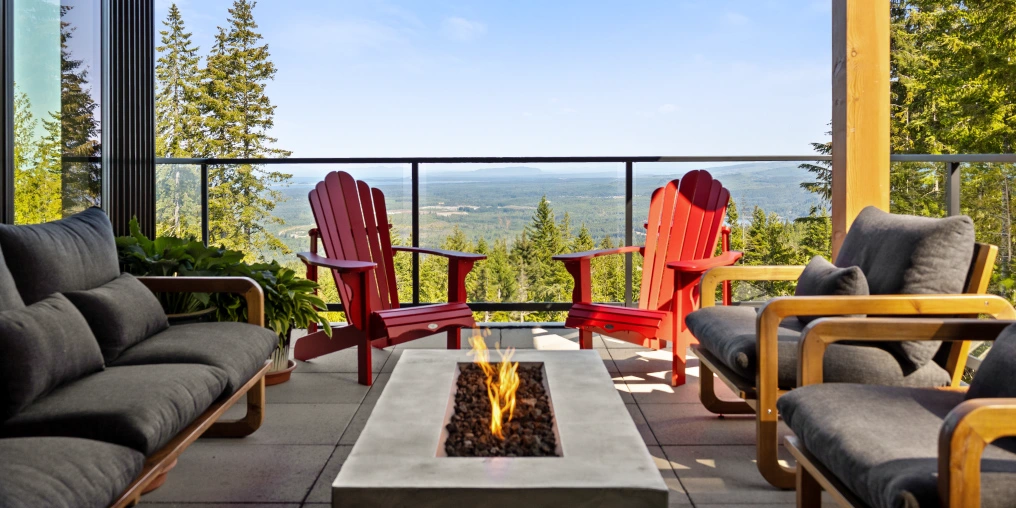
The kitchen is practical and welcoming, anchored by a long white island with metal and leather stools; matte black pendant lights add a clean, modern edge. It leads directly to the patio, where a firepit and a pair of Adirondack chairs face the water. The space works just as well for quiet mornings as it does for casual dinners with friends or impromptu weekend brunches. It always adapts.
Neutral, natural finishes create a quiet backdrop where the landscape and the artwork can stand out. Each surface and material was selected to support a sense of calm and cohesion; nothing too loud, just a clean, understated foundation for daily life.
We wanted the home to be a space not just for living, but for celebrating the creativity of the people closest to us. Throughout the house, we’ve included areas to display artwork by friends and family. These are pieces that carry personal meaning and add character. The lighting and layout were planned with that in mind, giving the home a quiet, gallery-like feel where art can be appreciated without distraction.
The outside is a long-term project
The outside is a long-term project. We’re building trails for walking, snowshoeing, and biking. Firepits are taking shape for evenings with friends and marshmallows under the stars. Raised beds are in, and the beginnings of a garden are starting to take hold. Wildflowers are spreading across the hillsides. It’s always evolving, and that’s part of the appeal. There’s no finish line, just the satisfaction of seeing things take shape over time. Each season brings a new layer: spring with its bursts of green, summer’s long golden evenings, the hush of snow in winter. Living here means paying attention.
The ongoing work and the quiet rewards
We’ve learned to adapt to the rhythms of the land. There’s always something to be done: cutting, stacking, and drying firewood to last through the winter; keeping the tractor ready to clear the driveway when the next heavy snowfall comes; or simply staying on top of current seasonal tasks.
We’ve been enjoying coexisting with our new neighbours who pass through regularly—deer, bears, cougars, and elk. Each sighting is a reminder of how alive this place is.
When the house was finished and the first fire was lit, we stood on the deck and looked out over the ridge. It was quiet, but not the kind of quiet that feels empty—the kind that replaces the hum of traffic with the rustle of trees and the sweep of wind across the hills.
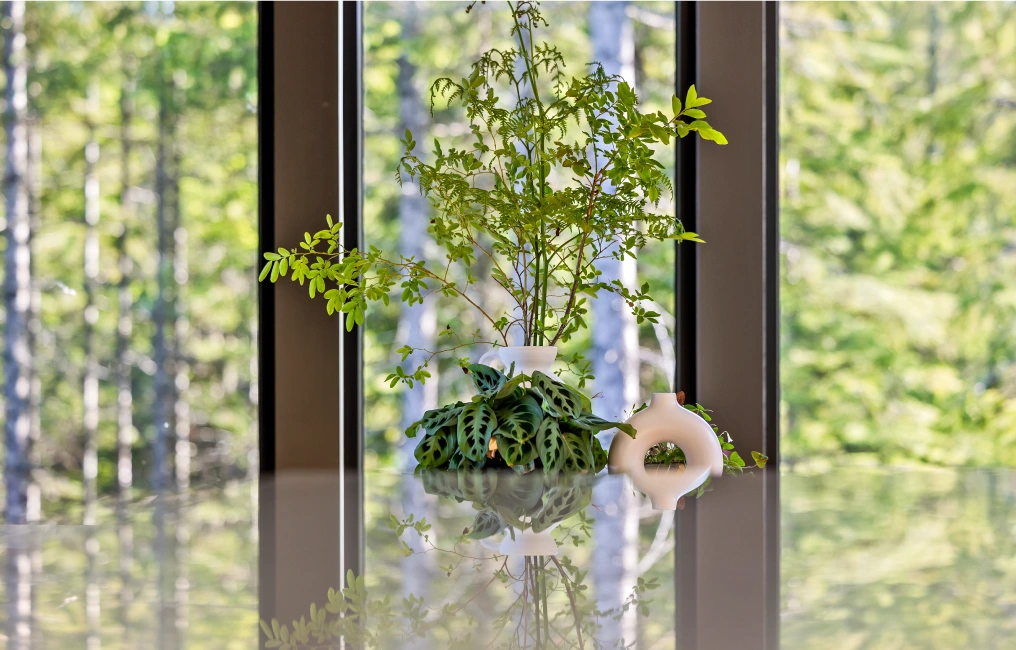
This place has become our escape. At the end of the day, we come home to unwind, watching birds drift past the windows and boats move slowly across the water. It’s where we end our evenings by the fire, a drink in hand, letting the pace of the day fall away. There’s no rush here. Just space to breathe, to slow down, and to enjoy the solitude.