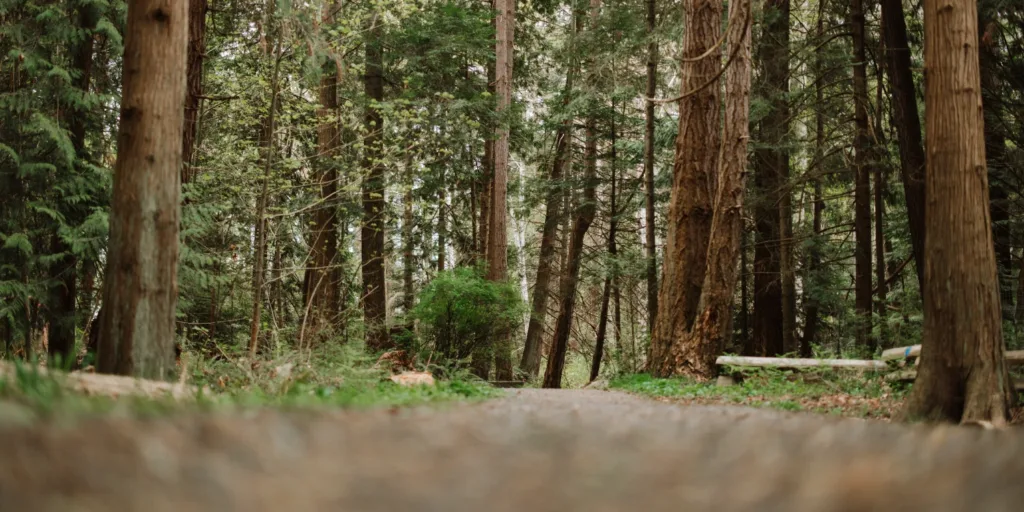
Driving through Qualicum Beach, I saw a familiar sight. A roadside casualty. Likely a deer, an animal that seems somewhat wild, somewhat tame, with a habitat where humans and nature regularly engage. This is especially true where we live, here on Vancouver Island.
This overlap of terrain has ramifications. Despite our townships expanding, the shared space we inhabit—people and wildlife—remains finite. The result is a collision of worlds. Which brings me back to that grisly roadside tableau, showcasing impact. Not wordplay, but human encroachment on nature, the effect we have on our environment.
Wildlife rescue on Vancouver Island
This compelled me to visit the North Island Wildlife Recovery Centre in Errington. Here, injured, rescued animals receive expert care and protection, and each creature then has a chance to recover, often to be rereleased to the wild.
Unlike that deer that had been struck and killed, many impacted animals are wounded or sick, not only by humans but through natural causes. Animals like these can be rescued and brought to the Recovery Centre, a non-profit rehabilitation facility operated by North Island Wildlife Recovery Association, or NIWRA. Their mission: to care for ill, injured, and orphaned wildlife while educating the public on environmental issues.
A morning among ravens, owls and a black bear
Arriving at the NIWRA Centre on a sunny, temperate morning, I took a self-guided tour, which included visits with friendly volunteers who were eager to answer questions and share knowledge. Signposts and maps directed me through the grounds, reminding me of that overlap of shared environs; we coexist with wildlife, at times treading lightly, other times clearly encroaching. At the Centre, an equilibrium has been struck, where potentially detrimental coexistence can become beneficial to all those involved.
“One enormous raven named Thor was cawing what I can only assume was a series of impressions”
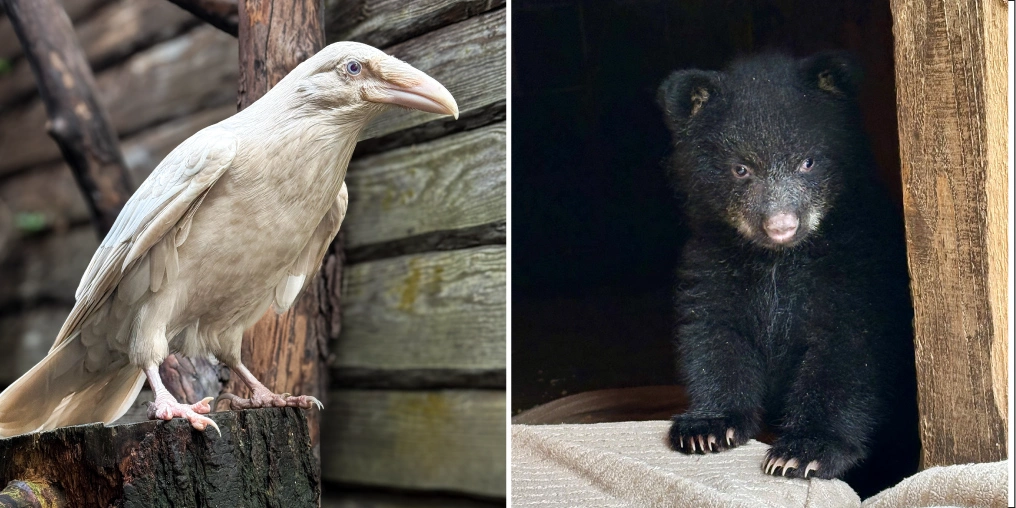
I walked past a black bear, lounging on its back as though watching TV. I circled a lake housing turtles, then an artistic array of upended stone slabs set on end, a structure reminiscent of Stonehenge.
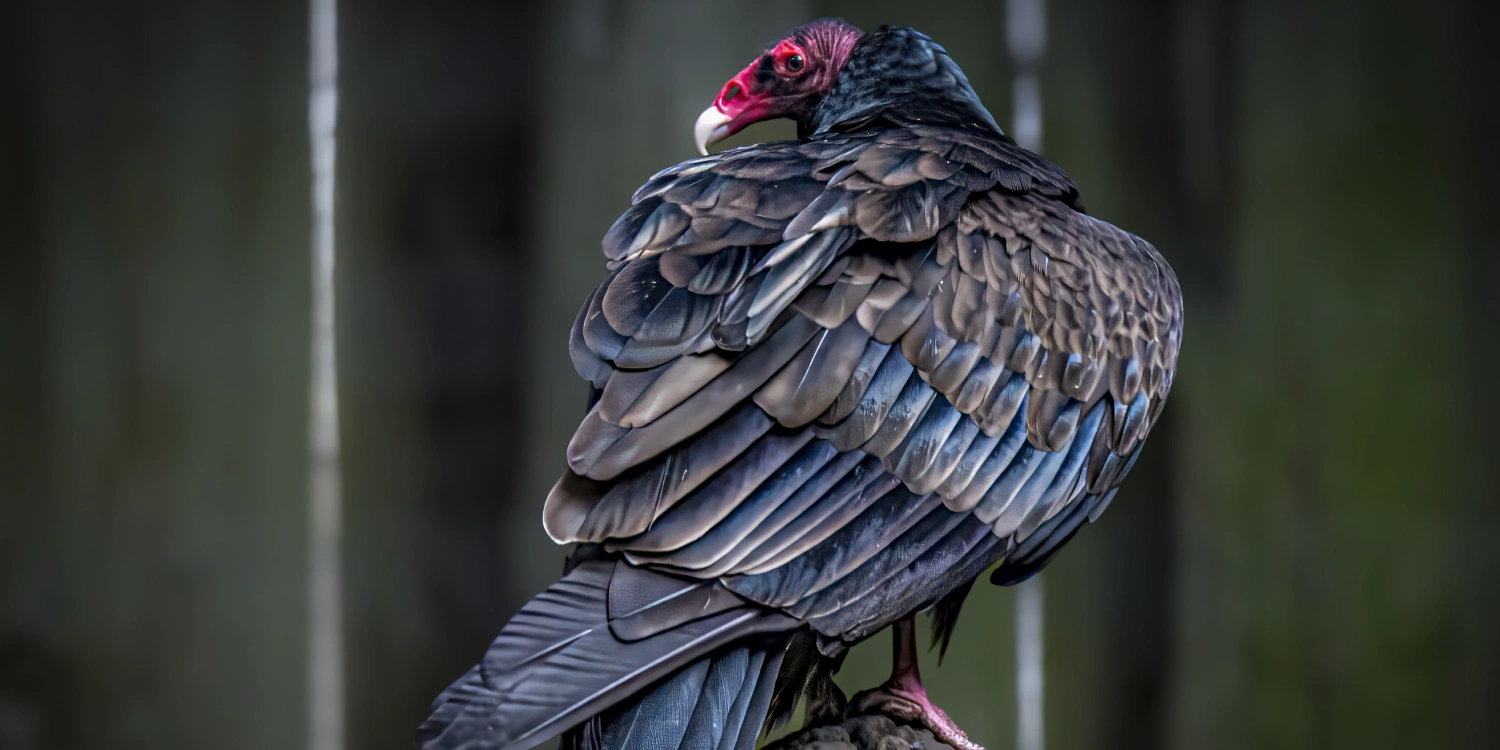
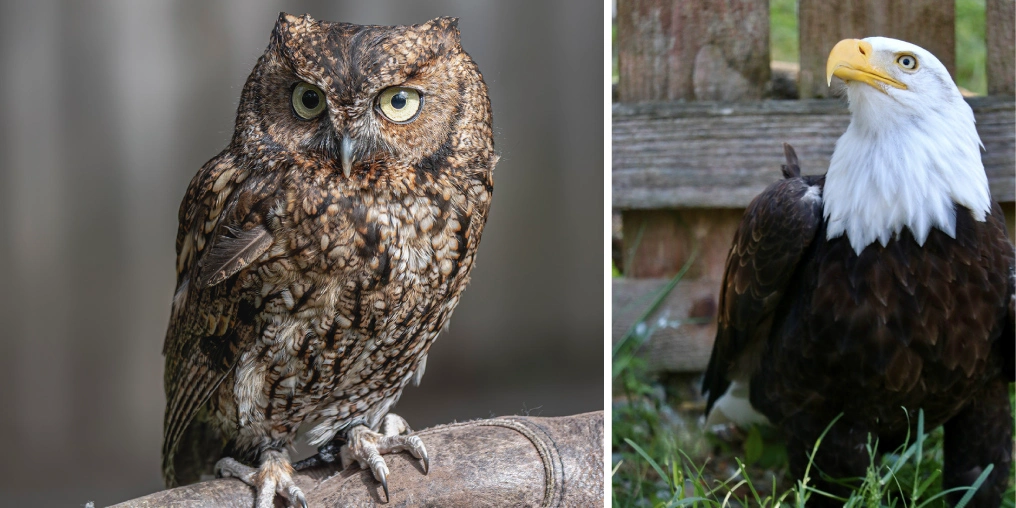
I passed ravens, an eagle, a falcon, and doves. One enormous raven named Thor was cawing what I can only assume was a series of impressions. I could hear all the birds, so it seemed, in the voicings of Thor. There was a white raven named Opal, a haunting and sacred presence, and owls with faces that appeared almost human. It’s no wonder we consider them wise. Perhaps it’s an extension of that shared common ground, a physical link between species.
“These people are taking the impact we have and turning it into something worthwhile”
How human impact brings animals to the Centre
While some of these animals were born with various challenges, such as blindness or physical limitations, others arrived at the Centre as a direct result of our presence, injuries sustained due to traffic, felled trees, or damaged habitats. Each interaction in this unique hybrid space and every view of these nurtured, recovering creatures resonated with a sensation of privilege. The privilege of living here and being able to witness this.
The fact the Recovery Centre exists and succeeds at all defies very long odds, skewing results toward common betterment.
When I spoke with the administrators who run the facility, pride and professionalism resonated among staff and volunteers, an awareness of the good being done through their actions. These people are taking the impact we have and turning it into something worthwhile.
As our lives expand on shared and shrinking terrain, places like this become even more vital. Nature in isolation can seem heartless with respect to the injured or weak, but a great many affected animals are able to not only survive but thrive with a little assistance. This makes the North Island Wildlife Recovery Centre much more than a mere tourist attraction. Both a wild and protected space, it fosters an environment of assistance, contributing to the very places it draws from.
Having an impact on our surroundings is inevitable, but with a better understanding of our interconnection with wildlife and nature, we can not only choose how we live in common environments, but support places like the NIWRA Centre. A helping, reconciliatory hand becomes a form of olive branch, bridging our precious shared spaces and making this place where we live, that balance of wild and tame, not only a privilege, but a shared obligation as well.