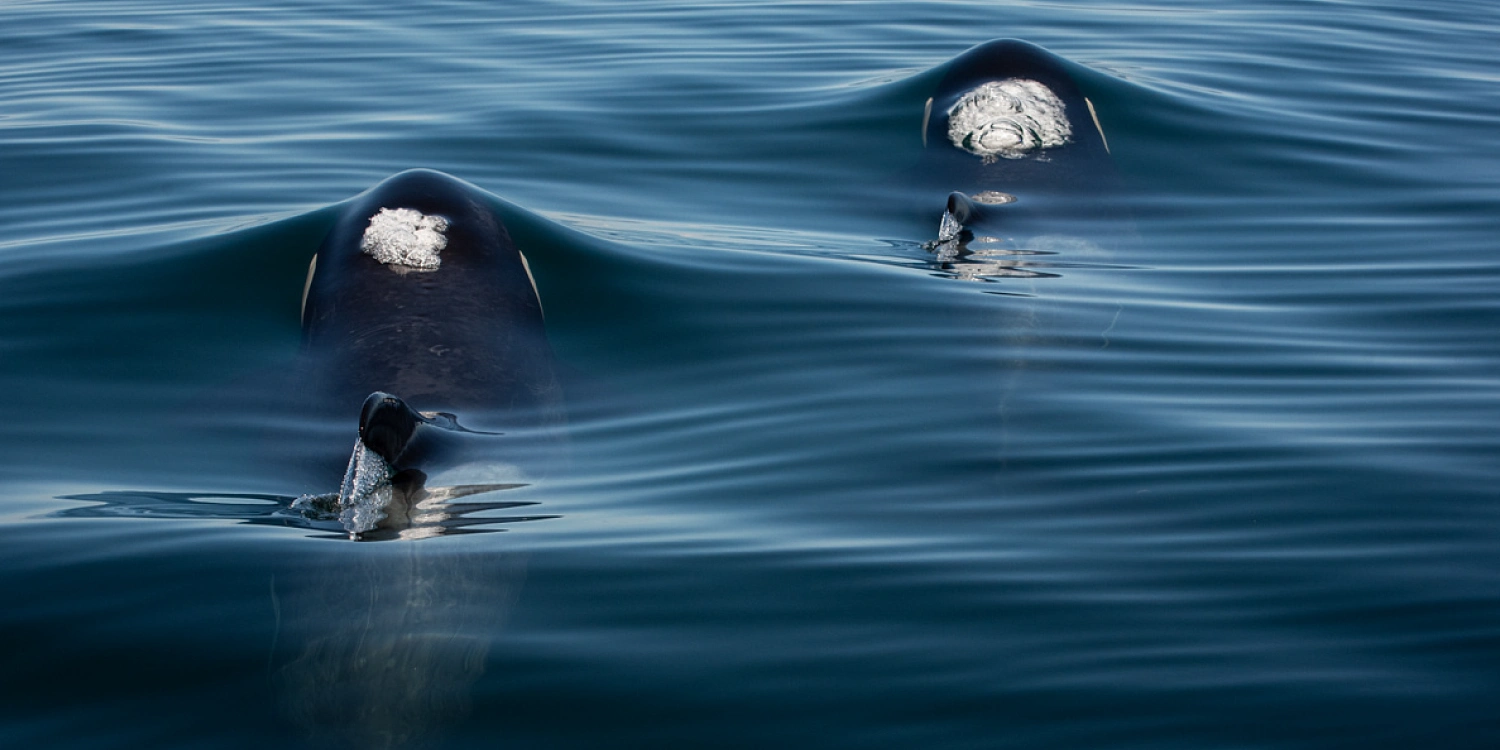
I’m not talking about that incessant grey drizzle that sometimes hangs over us for weeks on end. I mean the heavy kind: the rain that stings when it hits your face, that quiets the world as you step into the forest, that leaves you soaked, no matter what you’re wearing.
I grew up in the UK, and when I was six, my parents decided that it was time we took up a family hobby. We lived in the middle of the countryside, so of course, the obvious choice was sailing. Sailing is to Britain what canoeing is to Canada. For many folks, it is the easiest and most accessible way to get on the water: sailing clubs litter every tiny pond, lake, reservoir, and bay that can be found across the Isles. The kind of sailing I’m talking about isn’t on big, fancy yachts where you can go below deck when it’s windy, or make yourself a gin and tonic when it’s not. I sailed dinghies: small, 10- to 17-foot hulls, with one to three sails, that have a low profile, an open deck, and are designed for one or two people.
I took to it like a duck to water, and before long was entering into local club races. Unsurprisingly, the middle-aged men didn’t love it when an eight-year-old girl started winning, so I was bundled up and sent off to compete in bigger regattas around the region, country, and eventually the rest of Europe. Thus, the weekends and school breaks of my youth were spent climbing into cold wetsuits, breaking ice off my boat, and standing on windy shorelines, assessing whether the gusts really were that big.
I loved racing, I loved the friends and community I made, but what I loved most of all was the connection I felt with the forces of nature. I was so in tune with the wind and the waves and the tides, I could feel them tugging at my fingertips. And when the heavens opened, as others became sad and wet and cold, I would feel invigorated.
“I believe nature can offer you energy and life, but you have to be open to receiving it”
Decades later, on a different continent and with different hobbies that occupy my weekends, the rain is still falling, and my relationship with nature is stronger than ever. I now work as a guide and a photographer here in British Columbia and in the polar regions. I do my best to foster wonder, nurture curiosity, and inspire reverence. And while I find that the tours I run can create those life-changing “nature connection moments,” I have also witnessed local community projects have the same effect. In fact, guests paying for a guided tour are more likely to shelter from the pouring rain, while volunteers knee-deep in a muddy estuary are much more likely to embrace and to even delight in the experience. I guess the moral of this part of my story is that I believe nature can offer you energy and life, but you have to be open to receiving it. A rain jacket and a smile in your backyard might be all you need.
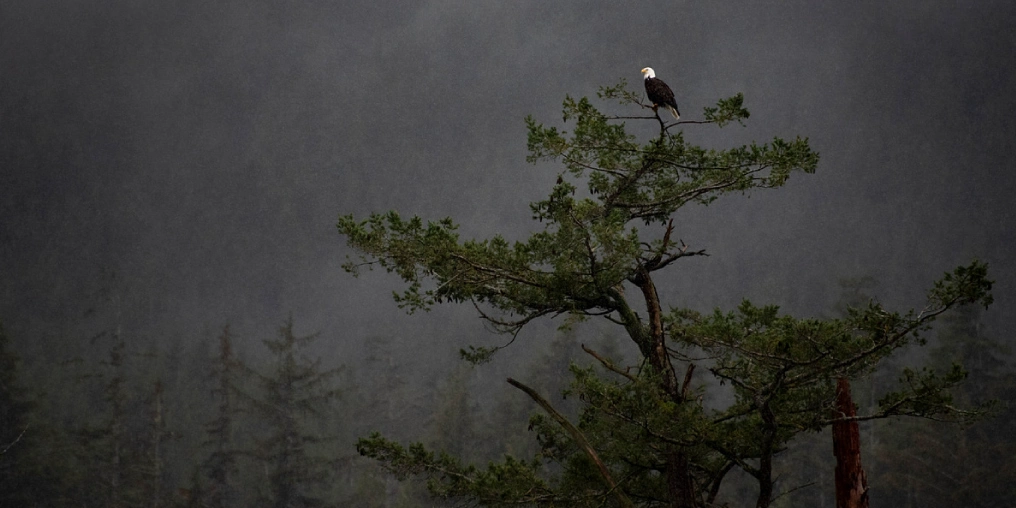
During my first few years here in Campbell River, no matter the weather, queer folks seemed to move around town as though it was pouring rain, metaphorically: they had their hoods up and their heads down, passing each other by. To put up an umbrella, a friend and I started organizing monthly social events to create a safe space where people could meet. The response has been staggering: friendships are blossoming, and a wave of queer event organizing has swept the length of Vancouver Island. I’ve realized that this community we’ve created, with its quiet strength and resilience, is just as life-giving for me as those moments caught in a storm. Although it’s less downpour energy, and more a fine mist of hope and joy that slowly soaks you to the bone.
You can find Bex organizing Queers & Beers events in Campbell River , guiding on remote coastlines, or walking her dog through the forest in the rain.
bexdawkes.com | |